
travel
Claude Edward Elkins Jr.: The Inspiring Journey from Railroad Brakeman to Top Executive


If you are searching for the most authentic Finnish experience in 2026, it is not just the famous sauna, the magical Northern Lights, or the country’s breathtaking forests. It is veneajelu—a timeless Finnish boating tradition that perfectly captures the nation’s love for nature, peace, and slow living.
For Finns, veneajelu is more than a recreational activity. It is a cherished summer ritual passed down through generations. For travelers, it offers a unique opportunity to discover why Finland consistently ranks among the happiest countries in the world. Whether you are looking for a relaxing holiday, a wellness escape, or a memorable outdoor adventure, veneajelu delivers an unforgettable experience.
This complete 2026 guide explains what veneajelu means, its cultural importance, the best places to experience it, planning tips, costs, safety rules, sustainability practices, and why it has become one of Finland’s most sought-after travel experiences.
What Is Veneajelu? Meaning and Philosophy Behind the Word
The Finnish word veneajelu combines two words:
- Vene = Boat
- Ajelu = Casual ride or leisurely cruise
Although it literally translates to boat ride, the true meaning goes much deeper.
Unlike speed boating, competitive water sports, or transportation by boat, veneajelu is about slowing down. There is no pressure to reach a destination quickly. Instead, it encourages people to embrace silence, admire nature, breathe fresh air, and enjoy the peaceful rhythm of the water.
Finland is often called the Land of a Thousand Lakes, but the reality is even more impressive. The country has over 188,000 lakes and an extensive Baltic Sea coastline. These waterways have shaped Finnish culture for centuries, making boating an essential part of everyday life.
Today, veneajelu represents:
- Mindfulness
- Family traditions
- Connection with nature
- Stress relief
- Sustainable outdoor recreation
The correct pronunciation is veh-neh-ah-yeh-loo.
Types of Veneajelu Experiences in 2026
One of the reasons veneajelu continues to grow in popularity is its incredible variety. Every traveler can find a style that matches their interests and budget.
Lake Veneajelu
The classic Finnish boating experience takes place on peaceful inland lakes such as:
- Lake Saimaa
- Lake Päijänne
- Lake Inari
These calm waters are perfect for wooden boats, rowboats, electric boats, and small motorboats. Many visitors enjoy relaxing sunset cruises or peaceful morning rides surrounded by untouched forests.
Archipelago Veneajelu
Finland’s coastline offers one of Europe’s most beautiful island landscapes.
Popular destinations include:
- Helsinki Archipelago
- Turku Archipelago
- Åland Islands
Here, travelers explore thousands of small islands, visit charming cafés, enjoy local seafood, and admire the traditional red Finnish summer cottages (mökki).
River Veneajelu
For travelers seeking a quieter adventure, rivers like Oulujoki and Kokemäenjoki provide excellent opportunities for birdwatching, wildlife photography, and peaceful sightseeing.
Midnight Sun Veneajelu
Summer in Finland brings the famous white nights, where daylight can last nearly 24 hours. Cruising beneath the golden midnight sun has become one of Finland’s most unforgettable bucket-list experiences.
Sauna Veneajelu
One of the biggest travel trends in 2026 is the sauna boat.
Imagine cruising across a beautiful Finnish lake, relaxing inside a traditional sauna, then jumping into refreshing lake water before continuing your journey. This unique combination perfectly reflects Finland’s wellness culture.
Best Time and Best Places for Veneajelu in Finland
The ideal boating season runs from late May through early September, while July and August remain the busiest months.
During summer:
- Water temperatures reach 18–22°C
- Daylight lasts 19–24 hours
- Nature is at its greenest
- Wildlife is highly active
Top Places to Experience Veneajelu
1. Lake Saimaa
As Finland’s largest lake, Lake Saimaa offers spectacular scenery, thousands of islands, luxury lakeside cottages, and the opportunity to spot the rare Saimaa ringed seal.
Perfect for:
- Multi-day cruises
- Island hopping
- Family vacations
2. Helsinki Archipelago
Ideal for first-time visitors, the Helsinki Archipelago allows travelers to rent boats directly from the city center and visit famous attractions such as Suomenlinna Fortress and Pihlajasaari.
3. Turku Archipelago
Home to over 20,000 islands, the Turku Archipelago is considered one of the world’s largest island groups and showcases authentic Finnish coastal culture.
4. Lake Inari
Located in Finnish Lapland, Lake Inari combines crystal-clear water, ancient Sámi traditions, and breathtaking Arctic landscapes, making it perfect for meditation and nature lovers.
5. Lake Päijänne National Park
Known for its pristine water quality and long forested islands, Lake Päijänne offers one of Finland’s cleanest freshwater environments.
Planning Your Perfect Veneajelu Trip
One of the biggest advantages of veneajelu is that it is accessible even for beginners.
Boat Rental
In many cases, visitors can operate boats under 6 meters with smaller motors without a boating license, provided they meet Finnish regulations and the boat is not designed for high speeds.
Popular rental cities include:
- Helsinki
- Tampere
- Savonlinna
Average Rental Prices in 2026
- Electric boat: €40–€70 per hour
- Small motorboat: €150–€300 per day
- Sauna boat: Starting around €400 per day
Essential Packing Checklist
Before heading out, bring:
- Life jacket
- Waterproof clothing
- Sunglasses
- Sunscreen
- Thermos filled with Finnish coffee
- Snacks
- Power bank
- GPS or navigation app
- Dry bag for electronics
Finnish regulations require enough life jackets for every passenger onboard.
Rent a Mökki with a Private Boat
Many visitors choose the authentic mökki + vene experience.
Renting a lakeside summer cottage with a private boat allows you to enjoy peaceful sunrise and sunset cruises directly from your own dock while experiencing traditional Finnish summer living.
Safety Rules and Sustainable Boating
Finland places strong emphasis on protecting both visitors and nature.
Essential Safety Tips
Always:
- Wear a life jacket
- Check weather forecasts before departure
- Respect local speed limits
- Avoid alcohol while operating the boat
- Carry communication equipment
Because Finnish lakes remain relatively cold even during summer, safety precautions should never be ignored.
Respect Everyman’s Right
Finland’s famous Everyman’s Right (Jokamiehenoikeus) allows responsible access to nature, but visitors should:
- Never disturb wildlife or nesting birds
- Avoid lighting fires without permission
- Remove all rubbish
- Protect fragile ecosystems
Electric Boats Are the Future
The biggest boating trend in 2026 is the growing use of electric boats, which reduce noise, eliminate emissions, and preserve the peaceful atmosphere that defines veneajelu.
Health Benefits and Why Travelers Love Veneajelu
The popularity of veneajelu extends beyond tourism because it also supports physical and mental well-being.
Time spent on calm water has been associated with:
- Lower stress levels
- Reduced anxiety
- Improved mood
- Better mental clarity
- Enhanced relaxation
Researchers often describe this calming effect as Blue Mind, where water naturally promotes relaxation and mindfulness.
Veneajelu also encourages a digital detox. Mobile reception may be limited in remote lake regions, allowing families and friends to disconnect from technology and reconnect with each other.
Fresh air, gentle physical movement, sunshine, and the famous Finnish tradition of combining boating with a sauna and cold-water swim create one of Europe’s healthiest outdoor experiences.
Veneajelu vs Regular Boating: What Makes It Special?
Many people mistakenly assume veneajelu is simply another word for boating.
In reality, the philosophy is entirely different.
Traditional recreational boating often focuses on:
- Speed
- Destination
- Performance
- Water sports
Veneajelu focuses on:
- Presence
- Silence
- Nature
- Relaxation
- Mindfulness
- Enjoying the journey instead of rushing to the destination
Many participants even prefer rowing or electric motors because the quiet environment is considered an essential part of the experience.
Rather than checking the clock, people practicing veneajelu intentionally lose track of time.
That simple difference explains why many describe veneajelu as the Finnish art of slow living on water.
Final Thoughts
If you are planning a trip to Finland in summer 2026, make veneajelu a priority on your itinerary. Skip the typical tourist schedule for a day, rent a traditional mökki, choose a peaceful boat, and immerse yourself in Finland’s stunning lakes or archipelagos.
Whether you explore Lake Saimaa, the Helsinki Archipelago, Turku Archipelago, Lake Inari, or Lake Päijänne, you will discover that veneajelu is much more than a boat ride. It is a celebration of nature, mindfulness, sustainability, wellness, and the uniquely Finnish way of life.
For anyone seeking peace, authentic cultural experiences, and unforgettable memories, veneajelu remains one of Finland’s greatest hidden treasures in 2026.
Introduction
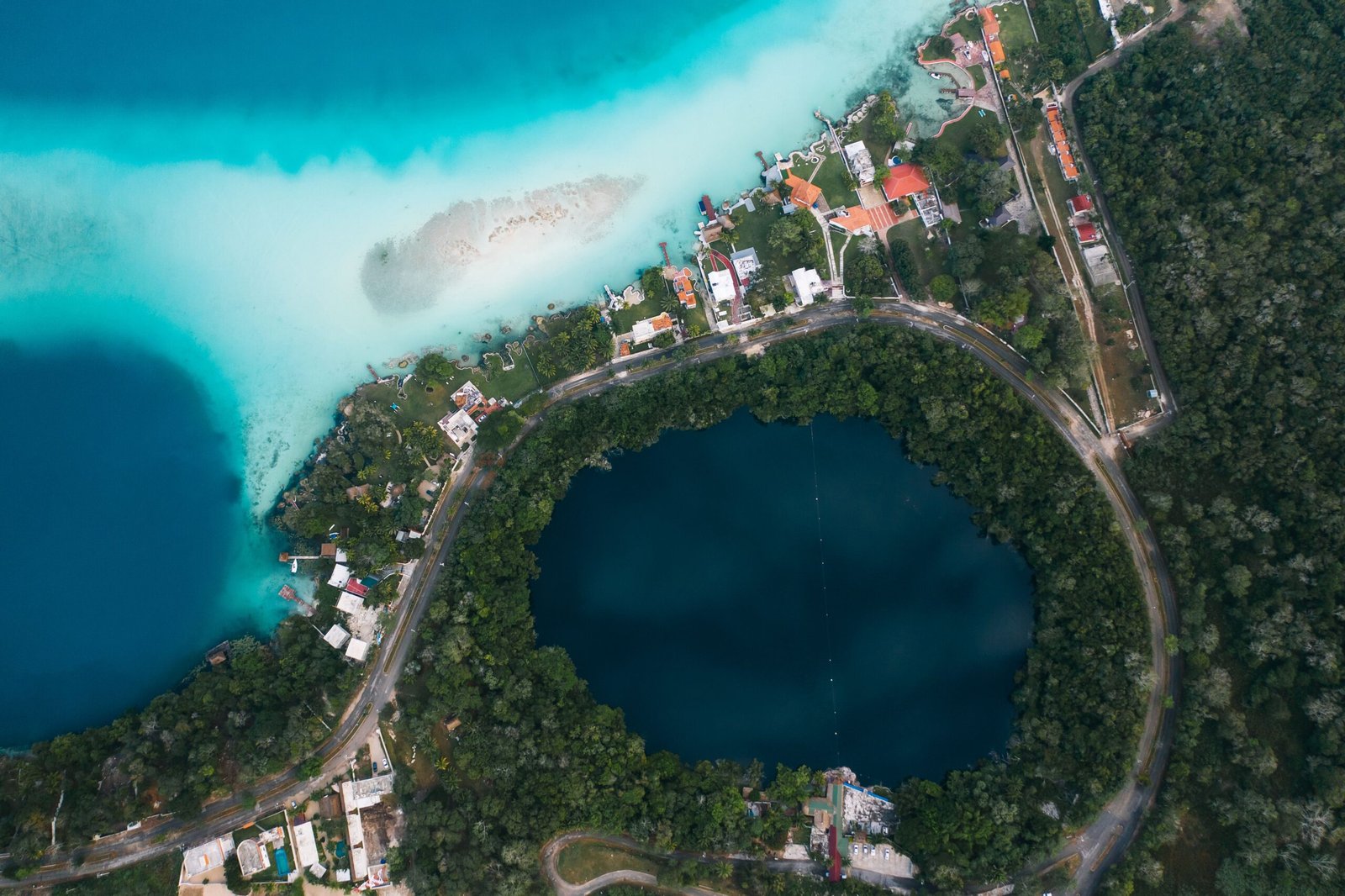
Imagine a place where the water is not just blue, but a living palette of seven distinct, shifting shades, from the palest turquoise to the deepest sapphire. This is Bacalar, a Pueblo Mágico (Magical Town) in Mexico’s Yucatán Peninsula, home to the stunning Laguna de los Siete Colores (Lagoon of Seven Colors). Tucked away from the bustling party scenes of Cancún and the chic crowds of Tulum, Bacalar offers a serene and authentic escape, a place where time seems to move slower and the natural world takes center stage. It is the perfect destination for travelers seeking tranquility, rich history, and unforgettable natural beauty. As development inevitably grows, now is the ideal moment to discover this hidden gem before the world fully catches on. This guide will explore everything you need to know to plan the perfect trip to this aquatic paradise, covering its mesmerizing lagoon, ancient history, and the unique experiences that make it so special.
Discovering the Magic of Laguna de los Siete Colores
The heart and soul of Bacalar is undoubtedly its breathtaking lagoon. Officially named the Laguna de los Siete Colores, this 26-mile-long body of freshwater is the main attraction, and its nickname is no exaggeration. The water displays a dazzling array of blues, from a crystalline, pale turquoise in the shallows to a deep, vibrant indigo in its center. This incredible phenomenon is caused by a combination of factors: the clarity of the water, the white limestone bottom that reflects sunlight, and the varying depths of the lagoon. The colors shift and change throughout the day and with the angle of the sun, creating a mesmerizing, ever-changing backdrop for any activity.
The lagoon is more than just a pretty sight; it is an ancient ecosystem of immense importance. The waters are home to living stromatolites, which are colonies of cyanobacteria and are considered some of the oldest living organisms on Earth, having existed for over 3.5 billion years. These delicate, cauliflower-like rock structures are protected, and visitors are encouraged to admire them from a distance to help preserve them for future generations. The lagoon is also fed by a network of underground rivers, creating several spectacular cenotes, or natural sinkholes, along its shores where you can swim in crystal-clear water.
Top Experiences on the Water
Experiencing the lagoon is the primary purpose of any visit to Bacalar. One of the best ways to do so is by taking a sailing tour. Unlike the noise and speed of motorboats, sailing allows you to glide silently across the water, fully immersing yourself in the serene atmosphere and vibrant colors. Tours often stop at key lagoon sites, such as the Isla de los Pájaros (Bird Island) and the Canal de los Piratas (Pirates’ Channel), a narrow waterway once used by pirates, where you can jump in for a swim. For a more active experience, kayaking and stand-up paddleboarding are excellent ways to explore the shoreline and calm waters at your own pace. Many also recommend visiting the public docks, such as Muelle Ecologico, for a quick and free swim, or heading to one of the many beach clubs that line the lagoon. For a small fee or minimum spend, these clubs offer loungers, hammocks, delicious food and drinks, and perfect relaxation spots with phenomenal views.
Beyond the Lagoon: History, Culture, and Mayan Ruins
While the lagoon is the main draw, Bacalar offers a rich historical and cultural experience that makes it a well-rounded destination. The town itself is steeped in history. At its center stands the Fuerte de San Felipe de Bacalar, an 18th-century stone fort built by the Spanish in 1733 to protect the settlement from pirate attacks. It was later designated a National Historic Monument in 1975. Today, the fort houses a small museum where visitors can learn about the region’s colonial past, the history of piracy in the area, and the strategic importance of the lagoon. From its ramparts, you can also enjoy stunning panoramic views over the lagoon and the town.
For those looking to delve deeper into the region’s ancient history, Bacalar serves as an excellent base for exploring nearby Mayan archaeological sites. One of the most significant is the Kohunlich Ruins, a 20-acre Mayan city located about an hour’s drive from Bacalar. Its most famous structure is the grand Temple of the Masks, thought to have been built around 500 C.E. The recently opened Ichkabal Ruins, featuring grand plazas and towering pyramids hidden in the jungle, are another spectacular option for archaeology enthusiasts. After a day of exploration, wandering through Bacalar’s downtown area, with its colorful streets, artisan shops, and quaint cafes, provides a delightful taste of local life and a relaxed “hippy vibe” reminiscent of a quieter, older Tulum.
Planning Your Bacalar Getaway: A Practical Guide
Bacalar is surprisingly accessible and offers a range of options for travelers of all styles. The closest airport is the Chetumal International Airport (CTM), which is about a 30-minute drive away. Many international visitors, however, fly into Cancún International Airport (CUN) and then travel south. From Cancún, you can take a comfortable ADO bus (a journey of about 5-7 hours), rent a car, or take the newly inaugurated Tren Maya, which has a station in Bacalar and offers a scenic route through the Yucatán. Once in town, getting around is easy; the town itself is walkable, and many visitors rent bicycles to explore.
The best time to visit Bacalar is generally during the dry season, which runs from November to April. During these months, the weather is sunny and pleasant, and the lagoon is at its most vibrantly colorful. To avoid peak crowds and higher prices, consider visiting between January and April, after the holiday rush but before Semana Santa. The shoulder months of October and May can also be good, though you might encounter some rain. In terms of accommodation, Bacalar has managed to resist the mega-resort development common in other parts of the Riviera Maya. Instead, you’ll find a wide array of charming, independent eco-hotels, boutique resorts, and cozy cabins offering personalized service and stunning lake views. Whether you’re looking for a budget-friendly hostel or a luxury eco-retreat, you can find a place to suit your needs, with many properties emphasizing sustainability and connection to the local environment.
Sample Itinerary and Activities
A long weekend of three to four days is the perfect amount of time to experience the best of Bacalar. Here is a suggested itinerary to help you plan:
Day 1: Arrive in Bacalar and settle into your accommodation. Spend the afternoon relaxing by the lagoon at a beach club like Blu or Bacalar Beach Club, enjoying the views and taking your first dip in the crystal-clear water.
Day 2: Embark on a sailing tour, such as the one offered by Sailing Colibri, to see the lagoon’s top sights including the Cenote Esmeralda, Isla de los Pájaros, and the Canal de los Piratas, with plenty of time for swimming.
Day 3: Explore the town’s history by visiting the Fuerte de San Felipe. In the afternoon, take a short taxi or bike ride to Cenote Azul, a stunning and deep cenote, for a refreshing swim.
Day 4 (Optional): Take a day trip to one of the nearby Mayan ruins, such as Kohunlich or Ichkabal, before departing.
Conclusion
Bacalar is more than just a tourist destination; it is a genuine travel experience that offers a perfect blend of natural wonder, historical intrigue, and laid-back tranquility. The ethereal beauty of the Lagoon of Seven Colors, with its ever-changing hues and ancient stromatolites, provides a unique backdrop for relaxation and adventure. The town’s historic fort and nearby Mayan ruins add a rich layer of culture, while the growing but conscious development promises to protect the very environment that makes it so special. As one of Mexico’s last unspoiled treasures, Bacalar captures the magic of the Riviera Maya as it once was. Whether you are floating in its pristine waters, sailing through its vibrant hues, or exploring its storied past, Bacalar invites you to slow down and discover a truly magical place.
FAQ: Everything You Need to Know About Bacalar
Q: What is Bacalar known for?
A: Bacalar is famous for the Laguna de los Siete Colores, a stunning freshwater lagoon known for its seven distinct shades of blue and turquoise. It’s also a Pueblo Mágico and is home to ancient stromatolites, some of the oldest living organisms on Earth.
Q: Where is Bacalar located and how do I get there?
A: Bacalar is located in the state of Quintana Roo in Mexico’s Yucatán Peninsula, near the border with Belize. The closest airport is Chetumal (CTM). You can also fly into Cancún (CUN) and take a bus, rent a car, or ride the Tren Maya to reach Bacalar.
Q: What is the best time of year to visit Bacalar?
A: The best time to visit is during the dry season, from November to April, for the best weather and the most vibrant colors in the lagoon. The months of January to April are especially sweet, with lower hotel rates before Semana Santa.
Q: What are the top things to do in Bacalar?
A: The top activities include sailing or kayaking on the lagoon, swimming in Cenote Azul, visiting the historic Fort of San Felipe, relaxing at a beach club, and exploring Mayan ruins like Kohunlich or Ichkabal.



 Business4 months ago
Sanne Hamers: The Design Consultant Who Turned Privacy into a Powerful Brand
- Tech4 months ago
Meredith Schwarz: From High-Profile Marriage to Finance and Investment Leadership
- Fashion4 months ago
Mark Fluent: The Private Financier Behind Hollywood’s Justine Bateman
- Fashion4 months ago
Carlos Alman: The Untold Story of Cardi B’s Father and His Quiet Legacy
- Tech3 months ago
The Ultimate Guide to Mastering “Adiltqork”: A Comprehensive Strategy for Digital Dominance and Search Engine Supremacy
- Business3 months ago
Logisths: Decoding the Meaning, History, and Future of Smart Logistics
- Lifestyle4 months ago
Milaine Desaulniers: The Untold Story of Brie Larson’s Sister Who Chose Purpose Over Fame
- Fashion4 months ago
The Curious Case of Constantine Yankoglu: A Hollywood Mystery in Plain Sight