home
The Ultimate Guide to Understanding “Carrden”: Unlocking Garden Design, Landscaping, and Modern Curb Appeal

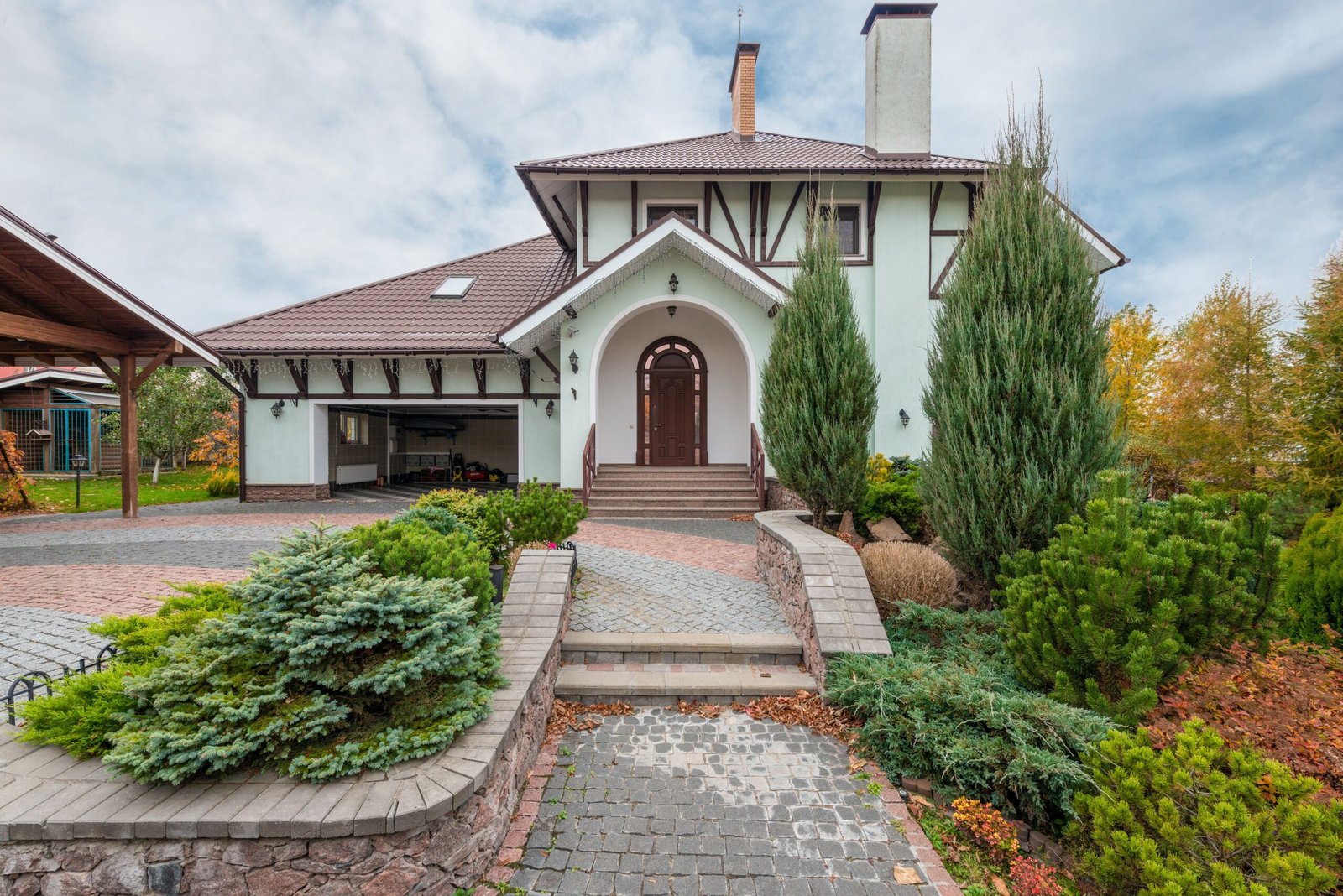
In the ever-evolving world of outdoor aesthetics and property enhancement, the term “carrden” has begun to emerge as a fascinating intersection of creativity, technology, and nature. While the exact origins of the word may vary, it represents a modern approach to landscaping and garden design that emphasizes visual storytelling and functional outdoor living. For homeowners, landscapers, and design enthusiasts alike, understanding the nuances of this concept is crucial for creating spaces that are not only beautiful but also sustainable and tailored to modern lifestyles. This article serves as your definitive guide to mastering the art of outdoor space transformation, blending traditional gardening wisdom with cutting-edge technology and strategic SEO insights to ensure your garden stands out both physically and digitally.
As we delve into the core elements of “carrden,” we will explore how artificial intelligence, user intent, and long-tail keywords are reshaping the landscape of gardening and design. Whether you are looking to revamp your backyard, enhance your property’s curb appeal, or simply understand the latest trends in outdoor living, this comprehensive guide provides the knowledge and tools you need. From analyzing competitor strategies to leveraging the power of visual search and voice-activated queries, we cover every aspect of modern garden design and its digital counterpart. By the end of this article, you will have a robust understanding of how to create a space that resonates with beauty, functionality, and contemporary relevance, ensuring it ranks high in both search engine results and the hearts of those who experience it.
The Essence of “Carrden”: A Fusion of Design and Technology
The concept of “carrden” goes beyond mere gardening; it encapsulates a holistic approach to outdoor planning that integrates hardscaping, planting, and lifestyle considerations. In today’s digital age, the process of designing a garden is increasingly influenced by online resources, visual tools, and AI-driven applications that help visualize ideas before they are implemented. This section explores the foundational elements that make a garden truly exceptional, focusing on design principles, user experience, and the integration of modern technology to achieve stunning results.
Understanding the visual and functional components of a garden is the first step toward creating a space that meets both personal preferences and practical needs. Modern garden design moves beyond traditional flower beds and manicured lawns to include diverse elements such as patios, outdoor kitchens, water features, and sustainable planting schemes. The rise of professional-grade rendering and 3D visualization tools has empowered homeowners and designers to experiment with different styles, from formal Japanese gardens to minimalist modern landscapes, without the risk of costly mistakes. By leveraging these technologies, as seen in innovative platforms that offer AI garden design capabilities, users can upload a photo of their current space and instantly explore multiple design styles, transforming their vision into a tangible reality .
Moreover, the concept of “carrden” emphasizes the importance of user intent, which is a critical factor in both physical design and digital content strategy. When planning a garden, it is essential to consider how the space will be used, who will use it, and what emotional and functional outcomes are desired. This aligns closely with digital marketing principles where understanding user intent, whether informational, navigational, or transactional, guides the creation of content that addresses real needs. For instance, a homeowner searching for “modern garden design ideas” has a different intent than someone looking for “landscaping services near me” or “AI garden design app.” Recognizing these nuances allows for the creation of targeted content and design solutions that resonate deeply with the audience, ultimately leading to higher satisfaction and better online performance .
Crafting Compelling Content and Visual Experiences
Creating a successful “carrden” involves more than just planting and paving; it requires a strategic approach to content creation and visual storytelling that captures attention and inspires action. This is where the synergy between garden design and search engine optimization becomes evident. By producing high-quality, visually rich content that incorporates relevant keywords and addresses user queries, you can enhance your online visibility and attract a wider audience to your projects. This section discusses the importance of long-tail keywords, visual search optimization, and the use of structured data to boost your garden’s online presence.
In the realm of SEO, long-tail keywords are specific phrases that target a niche audience, often with lower competition and higher conversion rates. For example, instead of targeting a broad term like “garden design,” you might focus on “Japanese garden design for small backyards” or “modern coastal garden ideas with AI visualization.” These specific queries are more likely to attract users who are further along in their decision-making process, making them valuable for both content creators and service providers. Additionally, the use of structured data and schema markup helps search engines understand the context of your content, improving the chances of appearing in rich snippets, image packs, and other enhanced search results that boost visibility and engagement .
Visual search is another powerful tool in the “carrden” ecosystem, allowing users to find design inspiration and products using images rather than text. Optimizing your garden images with descriptive file names, alt tags, and surrounding content can improve their discoverability on platforms like Google Images and Pinterest. This is particularly relevant as users increasingly turn to visual platforms for home and garden inspiration. By combining high-quality imagery with strategic keyword placement, you can create a cohesive digital experience that mirrors the beauty and functionality of the physical space. Furthermore, incorporating voice search optimization, which focuses on natural language queries and questions (who, what, where, when, why, how), can help capture the growing segment of users who rely on voice-activated assistants to find garden solutions and ideas .
Strategic Keyword Research and Competitive Analysis
To achieve top ranking on Google for “carrden” and related terms, a meticulous approach to keyword research and competitive analysis is indispensable. This process involves identifying trending topics, understanding the search landscape, and uncovering gaps that your content can fill. By using tools like Google Trends, Ahrefs, and SEMrush, you can discover emerging trends and high-potential keywords that your competitors might have overlooked. This section provides a practical framework for conducting effective keyword research that aligns with your garden design objectives and online marketing goals.
The foundation of any successful SEO campaign is a deep understanding of what your target audience is searching for. This begins with seed keywords related to your niche and expands into a comprehensive list of long-tail phrases, question-based queries, and related topics. For instance, analyzing the search trends for “garden design” might reveal a rising interest in “sustainable garden designs,” “AI landscape planning,” or “low-maintenance outdoor spaces.” Tools like Google Trends allow you to identify “breakout” terms with significant growth, offering early opportunities to create content that captures emerging interest before it becomes highly competitive . Similarly, using a keyword explorer can help you discover millions of keyword suggestions, allowing you to filter by difficulty, search volume, and intent to prioritize the most effective terms for your strategy .
Analyzing your competitors’ keywords and content strategies is equally critical. By identifying the keywords for which your competitors rank but you do not, you can uncover valuable opportunities to create better, more comprehensive content. This involves reviewing their top-performing pages, assessing their use of keywords in titles, headings, and body text, and evaluating the overall quality and structure of their content. Additionally, paying attention to the “People Also Ask” (PAA) sections in search results and using tools like AnswerThePublic can provide a wealth of question-based keywords that inform the creation of FAQ sections and other user-focused content. Organizing these keywords into topic clusters and assigning them to specific pieces of content ensures a structured and coherent approach that enhances your site’s authority and relevance for the “carrden” niche .
Conclusion
In conclusion, the concept of “carrden” represents a dynamic and multifaceted approach to garden design that seamlessly blends traditional aesthetics with modern technology and strategic digital marketing. By understanding the core principles of user-centered design, leveraging AI tools for visualization, and employing rigorous SEO techniques such as long-tail keyword optimization, visual search enhancement, and structured data implementation, you can create outdoor spaces that are both visually stunning and highly discoverable online. The key to success lies in a holistic strategy that considers the physical, emotional, and digital dimensions of the garden experience, ensuring that every element from the soil to the search engine works in harmony to achieve your goals.
As we have explored, the journey to a top-ranking “carrden” article involves careful planning, creative execution, and continuous optimization. Whether you are a homeowner seeking inspiration, a landscaper looking to expand your digital footprint, or a content creator aiming to dominate the gardening niche, the strategies outlined in this guide provide a solid foundation for achieving sustainable success. By staying attuned to emerging trends, embracing technological innovations, and consistently producing high-quality, user-focused content, you can position yourself as a leader in the field. Ultimately, the most successful gardens are those that not only captivate the eye but also engage the mind, fostering a deep connection between people, nature, and the digital world.
Frequently Asked Questions (FAQs)
Q1: What does “carrden” mean in the context of modern landscaping?
“A ‘carrden‘ is a contemporary term that blends the concepts of care, art, and garden, often associated with innovative design approaches that incorporate technology like AI for planning and visualization. It emphasizes creating outdoor spaces that are visually appealing, functional, and tailored to modern lifestyles, often integrating elements of hardscaping, planting, and sustainable practices. This concept aligns with the growing trend of using digital tools to enhance physical spaces, making garden design more accessible and personalized .”
Q2: How can I use AI to design my garden or outdoor space?
“You can use AI-powered garden design apps that allow you to upload a photo of your current space and experiment with various styles such as Japanese, modern, cottage, or Mediterranean. These tools generate professional-grade 3D visualizations, enabling you to see realistic renderings of your ideas, including changes in seasons, before any physical work begins. This approach saves time, reduces costs, and helps you make informed decisions about layouts, plant choices, and materials .”
Q3: Why are long-tail keywords important for SEO in the gardening niche?
“Long-tail keywords are specific, multi-word phrases that target a narrow audience, such as ‘modern garden design for small patios’ or ‘AI landscape planning for coastal areas.’ They are crucial because they typically have lower competition and higher conversion rates, attracting users who are actively seeking particular solutions. By focusing on these terms, you can create highly relevant content that answers precise user queries, improving your search engine rankings and connecting with an audience more likely to engage with your services or products .”
Q4: How can I optimize my garden design content for voice search?
“Optimizing for voice search involves focusing on natural language and conversational queries, often framed as questions using ‘who,’ ‘what,’ ‘where,’ ‘when,’ ‘why,’ and ‘how.’ For example, instead of targeting ‘garden design,’ you might target ‘how to design a low-maintenance garden’ or ‘what are the best plants for a coastal garden.’ Incorporating these question-based phrases into your content, especially in FAQ sections, helps capture the growing number of users who use voice-activated assistants to find information and ideas .”
Q5: What tools are recommended for keyword research and competitive analysis in gardening?
“Several powerful tools can aid in keyword research, including Google Trends for identifying trending topics and ‘breakout’ terms, Ahrefs or SEMrush for discovering keyword opportunities and analyzing competitors, and Ubersuggest for finding long-tail variations. Additionally, AnswerThePublic is excellent for uncovering question-based queries that inform content creation. These tools help you build a comprehensive keyword strategy that aligns with user intent and market trends, ensuring your content remains relevant and competitive .”




 Business4 months ago
Sanne Hamers: The Design Consultant Who Turned Privacy into a Powerful Brand
- Fashion4 months ago
Mark Fluent: The Private Financier Behind Hollywood’s Justine Bateman
- Tech4 months ago
Meredith Schwarz: From High-Profile Marriage to Finance and Investment Leadership
- travel4 months ago
Claude Edward Elkins Jr.: The Inspiring Journey from Railroad Brakeman to Top Executive
- Fashion4 months ago
Carlos Alman: The Untold Story of Cardi B’s Father and His Quiet Legacy
- Lifestyle4 months ago
Milaine Desaulniers: The Untold Story of Brie Larson’s Sister Who Chose Purpose Over Fame
- Tech4 months ago
The Ultimate Guide to Mastering “Adiltqork”: A Comprehensive Strategy for Digital Dominance and Search Engine Supremacy
- Business4 months ago
Logisths: Decoding the Meaning, History, and Future of Smart Logistics