Cultural
Animeh: Unlocking the Otaku Lexicon and Its Cultural Footprint

Introduction
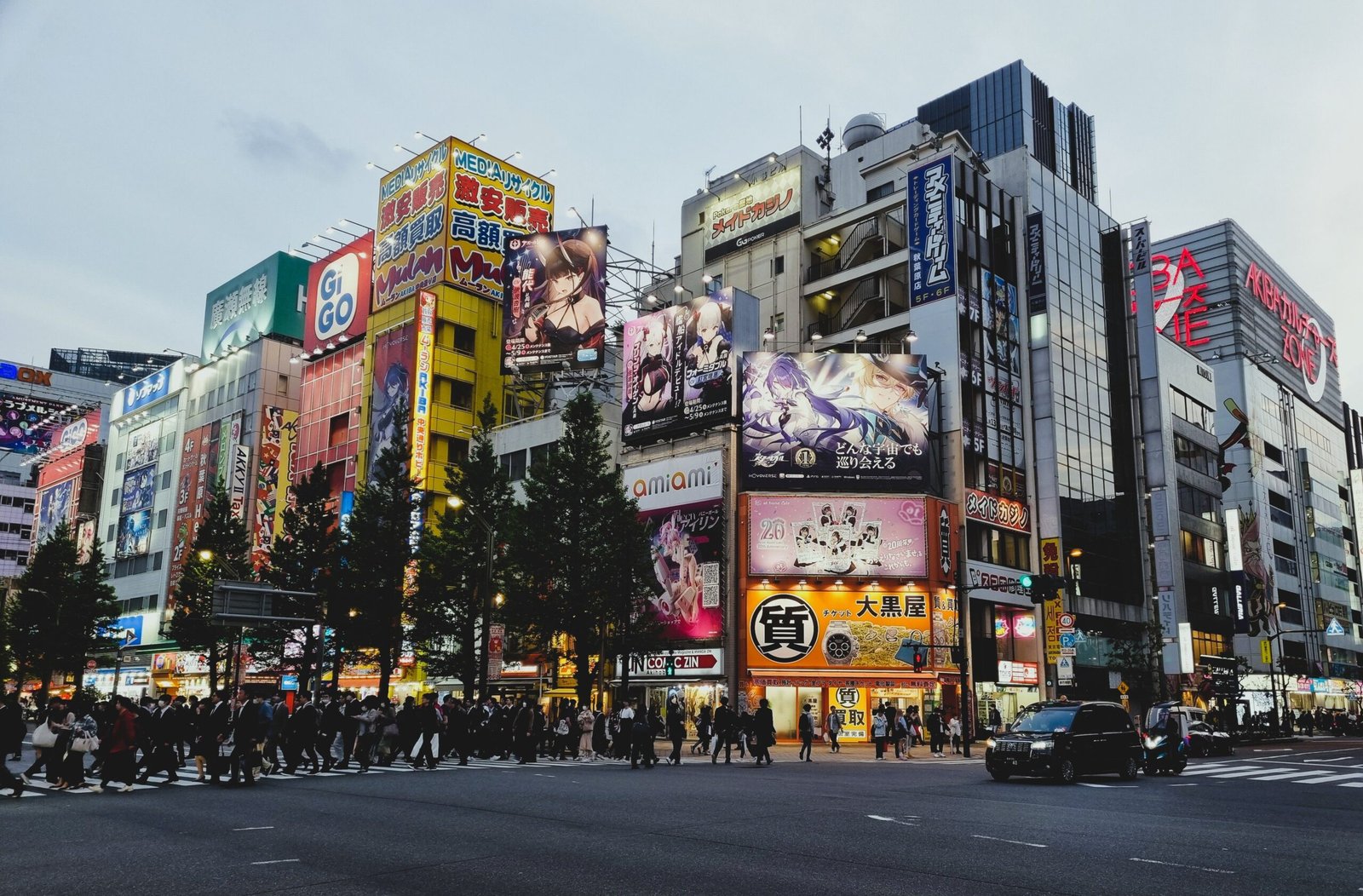
The world of Japanese animation, known globally as anime, is a cultural behemoth that has captivated audiences for decades. However, within the vibrant and sometimes quirky corners of the internet, a unique variation of the term has emerged: “Animeh.” This playful, elongated spelling isn’t just a typo or a mispronunciation; it represents a specific cultural and linguistic phenomenon. It is a slang term, a phonetic marker of identity, and a gateway into understanding the nuances of fandom culture online. In this comprehensive exploration, we will dissect the term Animeh, tracing its origins from the historical roots of the word “anime,” examining its distinctive pronunciation in the pre-digital age, and analyzing how it manifests as a passionate identifier within reviews, social media, and digital spaces . By delving into the etymology, the debate over its pronunciation, and its usage as a self-identifier for anime enthusiasts, we will uncover how a simple spelling variation reflects the evolution of a global subculture . Additionally, we will look at its life beyond slang, appearing in domain names, podcast titles, and gaming usernames, solidifying its place in the modern digital lexicon .
The Etymological Roots and the “Animeh” Distinction
To understand “Animeh,” we must first travel back to the linguistic genesis of the word “anime” itself. The English term “animation” was borrowed into Japanese and abbreviated to “anime” (アニメ) . Interestingly, this Japanese abbreviation was derived from the French word “animé,” which means “animated” or “lively.” However, once it settled in Japan, the meaning shifted to become a specific term for their domestic animation style. This context reveals that anime is not just a generic cartoon; it is a distinct art form with deep roots in Japanese culture .
The emergence of “Animeh” as a variant is primarily a phonetic phenomenon that traces back to the early days of English-speaking fandom. Before the internet became a global village, fans often relied on print magazines, VHS tapes, and word-of-mouth. During this time, there was a significant debate about how to pronounce the word “anime.” Some favored the Japanese pronunciation, which sounds closer to “ah-nee-meh.” The “h” in “Animeh” is often used in casual internet slang to denote a phonetic pronunciation, reflecting the “meh” sound at the end of the word . According to oral histories from the community, die-hard elitists often insisted on this pronunciation, using “Animeh” to distinguish themselves from newcomers who said “ani-may.” This was a way for purists to signal their deeper knowledge and connection to the authentic Japanese product rather than the Americanized version . Thus, “Animeh” was born out of a desire for authenticity and a marker of in-group status among early adopters of the culture.
Animeh as an Online Identity and Lexicon Marker
In the digital age, “Animeh” has transcended its purely phonetic origins to become a functional piece of internet slang and a marker of fandom identity. The term appears frequently across a variety of online platforms, acting as an identifier or a tag that unites a community. For instance, on content-sharing platforms like Lemon8, users frequently tag their posts about romantic or mature anime with variations like “animeH” or “#animeh” to categorize their content for other like-minded fans . This use is not just about pronunciation; it is a searchability tool and a flag that signals a specific type of content or a specific level of fandom.
Furthermore, the term is often used to denote passion and expertise within reviews and forums. A user on a platform like Anime News Network (ANN) might claim that an anime is the “TEH greatest season of any animeh EVAR!” . Here, the use of “animeh” is synonymous with exclamation and enthusiasm. It is an affectionate, almost hyperbolic way of speaking that is endemic to internet culture. By using the “h” at the end, the user is not just speaking about any animation; they are speaking about anime with a specific flavor of otaku reverence. The history of the term explains this phenomenon: it allows an individual to demonstrate their “hardcore” credentials within a community that values insider knowledge and historical context.
Animeh in the Digital Ecosystem: Websites, Podcasts, and Usernames
The influence of “Animeh” is so pronounced that it has moved beyond a simple phrase in discussions to become a naming convention for various digital properties and profiles. This demonstrates the term’s commercial and social viability in the digital ecosystem. For example, a podcast hosted by two Canadians reviewing seasonal anime is titled “AnimEH!” . This playful naming incorporates the slang to appeal to a niche audience, instantly signaling that the content is not just about anime, but about anime from a specific cultural lens (North American fans who are “in the know”). Similarly, a website domain called animeh.space exists, although security analysis suggests it may be a newer, possibly transient site, showing that entrepreneurs are willing to bet on the keyword for visibility .
The term is also widely used in personal usernames. The QooApp user “Animeh” describes themselves as a “版主” (Moderator) and discusses game mechanics and voice acting (CV) with clear authority . In another context, an IMDb user created a list titled simply “Animeh” to curate a list of notable titles, ranging from mainstream hits like Naruto and Death Note to more specific franchises like Tokyo Ghoul and Baki . This showcases that for many users, “Animeh” is not a random misspelling but a specific “handle” or “brand” that represents their identity and interests online. For these individuals, adopting “Animeh” is a badge of membership, a way to instantly connect with other fans, and a way to signal their specific taste in the sprawling world of anime.
Conclusion
The journey of “Animeh” from a debated pronunciation to a widely recognized internet slang term is a fascinating case study in how subcultures evolve. Initially a tool of authenticity used by early fans to distinguish themselves from the mainstream, it has matured into a multi-faceted lexical item. It serves as a nostalgic callback to the days of VHS tapes and fan forums, an enthusiastic exclamation of fandom, and a contemporary digital label for content creators and web users alike. The term encapsulates the transition of anime from a niche interest to a global phenomenon. The playful suffix allows fans to acknowledge the anime’s Japanese origins while simultaneously making it their own within the English-speaking internet. Whether in a hyperbolic review, a podcast title, or a social media tag, “Animeh” is a testament to the enduring passion and creativity of the anime community. It proves that even a single letter can carry the weight of cultural history and identity, turning a simple word into a vibrant symbol of belonging in the vast world of otaku culture.
Frequently Asked Questions (FAQ)
1. What does “Animeh” actually mean?
“Animeh” is a slang variant of the word “anime.” Phonetically, it represents the Japanese pronunciation of the word (which sounds like “ah-nee-meh”) rather than the common Americanized pronunciation (“ani-may”) . Historically, using “Animeh” was a way for fans to signal that they were knowledgeable about Japanese culture and were not casual newcomers to the medium .
2. Why do people spell it with an “h” at the end?
The spelling “Animeh” is a phonetic spelling designed to capture the ending sound of the word in Japanese. In Japanese, “anime” is pronounced with a short “e” sound that is not a hard “ay” (like in “say”) but a softer “eh” sound (like in “bed”). This spelling helps English speakers approximate that pronunciation more accurately.
3. Is “Animeh” a real word or just a typo?
While it is not an official word in the dictionary, “Animeh” is a well-established term in internet culture and otaku communities . It transcends being a simple typo and functions as a deliberate in-group identifier, a stylistic choice, or even a username . It is used in social media hashtags, podcast titles, and forum discussions .
4. Where can I see the term “Animeh” being used?
You can find the term being used in various digital spaces. On social media platforms like Lemon8, users tag posts with “#animeh” to categorize specific content . It appears on podcast platforms like iVoox, where shows use it in their titles to attract a niche audience . It is also used in personal anime lists on platforms like IMDb and in usernames on gaming and app platforms like QooApp .
5. Is “Animeh” used outside of English-speaking countries?
While its roots are in English-speaking online communities, the variant “
” does occasionally appear in other contexts. For example, in Thai social media and blog posts, users have used “animeH” as a hashtag to promote their content related to romantic or mature anime series . This indicates that the slang term has a degree of cross-cultural recognition within the broader Southeast Asian fandom.




- Fashion2 months ago
Mark Fluent: The Private Financier Behind Hollywood’s Justine Bateman
 Business2 months ago
Sanne Hamers: The Design Consultant Who Turned Privacy into a Powerful Brand
- Tech2 months ago
Meredith Schwarz: From High-Profile Marriage to Finance and Investment Leadership
- travel2 months ago
Claude Edward Elkins Jr.: The Inspiring Journey from Railroad Brakeman to Top Executive
- Fashion2 months ago
Carlos Alman: The Untold Story of Cardi B’s Father and His Quiet Legacy
- Fashion2 months ago
The Curious Case of Constantine Yankoglu: A Hollywood Mystery in Plain Sight
- digitel2 months ago
Onnilaina: Unlocking the Meaning, Uses, and Digital Relevance of a Modern Concept
- digitel2 months ago
Serlig: Unlocking the Power of a Unique Digital Concept for Brands, Productivity, and Personal Growth