health
Babybelletje: Unveiling the Meaning, Magic, and Modern Charms of a Tiny Treasure


Unveiling the Meaning, Magic, and Modern Charms of a Tiny Treasure
Introduction
In the vast and ever-evolving landscape of language, certain words capture our imagination not because of their complexity, but because of their sheer, undeniable charm. “Babybelletje” is precisely such a word. It rolls off the tongue with a gentle rhythm, evoking feelings of warmth, tenderness, and delicate beauty. But what exactly is a babybelletje? Is it a term of endearment, a specific object, or a cultural phenomenon? The answer, as we will discover, is delightfully multifaceted. This article serves as your comprehensive guide to understanding the “babybelletje,” exploring its linguistic roots, its diverse interpretations, and the surprising reasons behind its growing popularity across various realms, from parenting and snacking to creative expression. We will delve into its use as a comforting tool for infants, its role as a beloved cheese snack, and its power as a symbol of affection, providing a complete picture of why this little word holds such significant meaning.
Unpacking the Meaning: What Does “Babybelletje” Truly Signify?
To truly understand the essence of “babybelletje,” we must first break down its linguistic structure. The term is widely believed to have origins in Dutch and Flemish, languages that frequently use the diminutive suffix “-tje” or “-je” to indicate that something is small, cute, or endearing . This suffix is a powerful tool in creating words that feel inherently affectionate and soft.
When we dissect the word, we find two clear components: “baby” and “belletje.” “Baby,” of course, refers to a very young child, a universal symbol of innocence, new beginnings, and tenderness. “Belletje” translates directly to “little bell” . Therefore, the most literal interpretation of “babybelletje” is “baby’s little bell.” However, this simple translation opens the door to a world of rich and varied interpretations.
The combination of these elements creates a term that is far more than the sum of its parts. It suggests a sound that is soft, gentle, and pleasant, much like a tiny, tinkling bell. This auditory imagery is closely linked to feelings of peace, comfort, and soothing calm, which is why the term has been adopted in different contexts, all revolving around a core theme of gentleness and affection . The word itself feels like a hug—a verbal representation of something cherished, protected, and loved . It conveys tenderness, intimacy, and the kind of softness in language that is often used when love and care are involved.
The Soothing Sound: Babybelletje as a Sensory Tool for Infants
One of the most profound and meaningful interpretations of “babybelletje” is its application as a gentle sensory aid for newborns and infants. In this context, a babybelletje is not simply a bell, but a concept encompassing soft auditory or sensory stimulation designed to comfort and soothe a baby . This can take the form of a literal small bell or, more commonly, a pendant known as a “zwangerschapsbola” or pregnancy bola, which contains a small, soft-sounding bell inside .
The belief is that the subtle, rhythmic chime of the bell can have a calming and reassuring effect on a baby, both in the womb and after birth. During pregnancy, the idea is that the gentle sound creates a soothing environment for the developing baby, potentially strengthening the bond between mother and child . After birth, the sound can be used as a tool for emotional regulation, helping to reduce fussiness and create a sense of security. Babies respond strongly to repeated, gentle patterns, and the soft sound of a babybelletje can mimic the comforting, rhythmic sensations they experienced in the womb .
This practice can support several key developmental processes .
Sensory Integration: The soft sounds encourage infants to explore their environment without being overwhelmed, helping them process sensory input in a calm manner.
Emotional Regulation: Consistent, soothing cues help babies feel safe and can regulate their emotions.
Sleep Improvement: Associating the gentle sound with relaxation can help create a comforting bedtime routine, making it easier for babies to settle down to sleep.
Beyond the practical benefits, using a babybelletje fosters a beautiful ritual of parent-infant communication, building trust and intimacy through shared, calming experiences . It is a concept that beautifully merges the literal “little bell” with the profound act of nurturing.
A Beloved Snack: The Babybelletje Cheese Interpretation
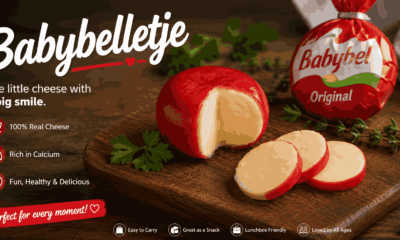
While the sensory aspect of “babybelletje” is deeply rooted in emotion and care, the term has another popular and delicious interpretation. In many contexts, “babybelletje” is used as an affectionate Dutch term for the iconic Mini Babybel cheese snack . This beloved snack, with its distinctive round shape and bright red wax wrapper, is a staple in lunchboxes and a favorite for both children and adults around the world .
In this context, the “babybelletje” is a small, semi-hard cheese made from pasteurized cow’s milk, known for its smooth, creamy texture and mild, slightly tangy flavor . The “belletje” part of the name aligns perfectly with its appearance, as the small, round wheels do bear a resemblance to little bells. The playful, casual use of the term gives the snack a cute and approachable feel, fitting perfectly with the Dutch tendency to add diminutive endings to make things sound charming . The wax wrapper is a key part of the experience, serving not only as fun, colorful packaging but also as a protective covering that keeps the cheese fresh .
The babybelletje is a nutritionally sound snack, rich in calcium for strong bones and teeth, and packed with protein for energy . Its portable, mess-free nature makes it an excellent choice for healthy eating on the go. The act of unwrapping the wax coating is a fun and interactive process that appeals to children, encouraging independence and making snack time a playful experience . It’s not just a cheese; it’s an activity that can turn a simple snack into a moment of joy.
This snack can be enjoyed in a multitude of creative ways .
Alone: As a perfect, on-the-go snack.
On Snack Boards: Arranged on charcuterie boards with fruits, nuts, and crackers.
In Recipes: Melted into sauces or sandwiches, or as a tasty addition to salads and wraps.
More Than a Word: The Emotional and Cultural Symbolism
The “babybelletje” concept is a testament to the power of language and the human desire to express love and tenderness. Whether it’s the soft chime of a bell soothing a baby, the delicious taste of a cheese snack, or simply a playful term of endearment for someone you love, the word “babybelletje” consistently evokes a sense of warmth and affection. It is a word that feels like a smile, representing a small, cherished object or moment that brings comfort and joy.
Its growing popularity across different cultures and communities highlights our collective yearning for gentle, positive concepts in an increasingly fast-paced world . The word has found a place in creative communities, digital culture, and expressive language spaces, often used by poets, content creators, and parents to capture a feeling of innocence, sweetness, and delicate beauty . It adds a layer of softness to conversations, elevating simple moments into something more memorable.
Conclusion
From its linguistic roots in the Dutch language to its diverse applications as a soothing sensory tool for babies and a much-loved cheese snack, the “babybelletje” is a term that resonates on multiple levels. It transcends a simple dictionary definition to become a symbol of gentleness, joy, and the small pleasures that enrich our lives. It reminds us that sometimes, the most powerful things come in the smallest, most charming packages, whether it be a soft chime that calms a restless infant, a creamy bite that brings a smile to a child’s face, or simply a tender word whispered to a loved one. The “babybelletje” is more than a word; it is a feeling.
Frequently Asked Questions (FAQ)
1. What does “babybelletje” mean?
The term “babybelletje” is a Dutch-inspired diminutive that literally translates to “baby’s little bell.” It is used to describe something small, cute, or endearing. Its meanings vary by context, including a gentle sensory tool for soothing babies and a playful term for the popular Mini Babybel cheese snack .
2. Is a babybelletje a physical object?
Yes, it can be. It can refer to a physical object such as a small bell, a pendant with a soft chime used for calming infants, or the small, round cheese snack wrapped in red wax .
3. How is a babybelletje used for babies?
In the context of infant care, a babybelletje provides soft auditory stimulation through gentle sounds and rhythmic motions. It is believed to have a soothing effect on babies, aiding in emotional regulation, sleep improvement, and sensory development .
4. Is a Babybelletje healthy as a snack?
Yes, when referring to the cheese snack, a babybelletje is a nutritious choice. It is a good source of calcium and protein and is often made without artificial additives or preservatives, making it a popular option for healthy snacking .



The Crucial Hemodynamic Marker in Cardiovascular Health
In the intricate world of cardiovascular research, few metrics offer as profound an insight into vascular health and disease progression as the Minimum Oscillatory Shear Index, commonly abbreviated as OSImin. As a critical hemodynamic parameter, OSImin serves as a window into the complex fluid dynamics occurring within our blood vessels, providing researchers and clinicians with essential data on the health of the vascular endothelium. This comprehensive guide delves deep into the nature of OSImin, exploring its scientific foundations, clinical significance, and the crucial role it plays in understanding and predicting serious cardiovascular conditions.
What is OSImin?
OSImin, or Minimum Oscillatory Shear Index, represents a sophisticated biomechanical parameter that quantifies the directional changes in blood flow and the resulting shear stress exerted on the vascular wall . In simpler terms, it measures the degree to which blood flow becomes disturbed or oscillatory within a blood vessel, with lower values generally indicating more stable, directional flow patterns. This metric is part of a broader family of hemodynamic measurements that help researchers understand how physical forces interact with biological tissues, particularly the delicate endothelial lining that coats the interior of all blood vessels .
The concept of oscillatory shear is fundamental to vascular biology. When blood flows smoothly through healthy, straight arteries, the shear stress remains relatively constant in direction and magnitude, creating a protective environment for the vessel walls. However, when flow encounters obstacles such as plaque buildup, bifurcations, or aneurysmal dilations, the flow patterns become disturbed and oscillatory . OSImin specifically captures the most extreme cases of these flow disturbances, representing the point where directional shear stress reaches its minimum value during the cardiac cycle, thus serving as a marker for the most significant deviations from healthy hemodynamic conditions .
The Significance of OSImin in Aortic Aneurysm Research
Recent groundbreaking studies have established OSImin as a potentially vital prognostic biomarker for ascending thoracic aortic aneurysms (ATAA), a condition characterized by the dangerous dilation of the aorta as it leaves the heart . Research conducted on specialized mouse models has revealed that OSImin values at six months demonstrate a remarkable correlation with overall lifespan, with an impressive coefficient of determination (r² = 0.70), suggesting that this single parameter accounts for approximately 70% of the variability in survival outcomes .
This correlation is particularly striking because OSImin provides a non-invasive means of assessing aneurysm risk, potentially allowing for earlier intervention before catastrophic events occur . The underlying mechanism appears to involve the detrimental effects of oscillatory flow on the endothelium. When blood flow becomes disturbed and oscillatory, it triggers a cascade of pathological responses including endothelial dysfunction, inflammation, and ultimately, the degradation of the extracellular matrix that maintains vessel wall integrity. These changes create a vicious cycle where disturbed flow leads to structural weakening, which in turn promotes further flow disturbances, accelerating aneurysm progression and rupture risk .
OSImin and Wall Shear Stress: Complementary Biomarkers
While OSImin serves as a crucial marker on its own, its relationship with other hemodynamic parameters, particularly Time-Averaged Wall Shear Stress (TAWSS), provides an even more complete picture of vascular health . TAWSS represents the average shear stress exerted on the vessel wall over time, while OSImin indicates the degree of flow disturbance. Research has demonstrated that the combination of these two metrics offers the strongest predictive power for cardiovascular outcomes, with studies showing that individuals exhibiting both high OSImin and high TAWSS values tend to have better prognoses than those with other parameter combinations .
Understanding this relationship is crucial for clinicians and researchers seeking to develop comprehensive risk assessment tools. The correlation between these parameters and mouse lifespan has led researchers to hypothesize that these metrics could serve as early warning signs for aneurysm formation and progression in human patients. When the change between two and six months was considered, the change in TAWSSmin showed a much stronger correlation than OSImean, with an r² of 0.75 compared to 0.24 for OSImean, demonstrating that the evolution of these parameters over time may be as important as their absolute values .
How OSImin is Measured
The measurement of OSImin requires sophisticated computational methods known as fluid-structure interaction models, which combine imaging data with advanced mathematical simulations . Researchers employ high-resolution imaging techniques such as magnetic resonance angiography or computed tomography to capture detailed anatomical information of the aorta and other blood vessels. This anatomical data is then fed into powerful computational models that simulate blood flow patterns, calculating parameters such as velocity, pressure, and shear stress throughout the cardiac cycle .
These computational models have been validated through animal studies, particularly in mice with the Fbln4SMKO genetic mutation that predisposes them to ascending thoracic aortic aneurysms . By comparing the computational predictions with actual patient outcomes, researchers can refine their models and improve their predictive power. The process requires exceptional computational resources and sophisticated expertise in both biomechanical engineering and cardiovascular medicine, highlighting the interdisciplinary nature of modern medical research.
Clinical Implications and Future Directions
The identification of OSImin as a potential biomarker for aortic aneurysm carries significant implications for clinical practice. Currently, clinicians primarily rely on aneurysm size to determine surgical intervention timing, typically recommending surgery when the aorta reaches 5.5 cm in diameter. However, research has demonstrated that many smaller aneurysms rupture while some larger ones remain stable, indicating that size alone is an imperfect predictor of risk. OSImin offers a promising alternative, potentially enabling clinicians to identify patients at high risk of rupture even when their aneurysm size falls below conventional surgical thresholds .
Future directions in OSImin research include the development of patient-specific risk prediction models that combine multiple hemodynamic and structural parameters. Researchers are also exploring whether OSImin can serve as a marker for treatment response, assessing whether surgical intervention successfully normalizes flow patterns. Additionally, the potential application of OSImin extends beyond aortic aneurysm, with ongoing studies examining its role in other cardiovascular conditions including coronary artery disease, peripheral vascular disease, and the long-term outcomes of vascular surgeries .
Understanding the Broader Context of Hemodynamic Parameters
To fully appreciate the significance of OSImin, one must understand the complete spectrum of hemodynamic parameters used in cardiovascular research. Maximum and average wall shear stress provide information about the overall force exerted on the vessel wall, while maximum and minimum oscillatory shear index describe the directional variations in this force . Other important parameters include pressure measurements, wall displacement patterns, and stress distributions according to the von Mises criteria, each offering unique insights into the mechanical environment of the vasculature .
The relationship between these parameters and clinical outcomes has been extensively studied in both animal models and human patients. Research has shown that disturbed flow conditions, characterized by high OSI values, promote the development of atherosclerosis and other vascular pathologies through the modulation of endothelial gene expression. When endothelial cells are exposed to unidirectional laminar shear stress, they express protective, anti-inflammatory genes that maintain vascular health. However, when exposed to oscillatory shear stress, gene expression shifts toward a pro-inflammatory, pro-atherogenic phenotype, promoting plaque formation and progression .
Conclusion
OSImin represents a powerful tool in the cardiovascular researcher’s arsenal, providing unique insights into the hemodynamic environment of blood vessels and offering potential as a prognostic biomarker for serious conditions such as ascending thoracic aortic aneurysm. Through its correlation with survival outcomes and its role in understanding the relationship between blood flow patterns and vascular health, OSImin has emerged as a critical parameter for advancing our understanding of cardiovascular disease mechanisms. As computational modeling techniques continue to improve and imaging technologies become more sophisticated, the clinical utility of OSImin will likely expand, potentially enabling more personalized approaches to cardiovascular risk assessment and intervention.
The future of OSImin research lies in translating these findings from animal models to human clinical practice, developing standardized measurement protocols, and establishing clinical thresholds that can guide decision-making. With the growing burden of cardiovascular disease worldwide, the development of more accurate risk prediction tools is essential, and OSImin is poised to play a significant role in this effort. By identifying patients at high risk before catastrophic events occur, this hemodynamic parameter has the potential to save lives and improve outcomes for patients with cardiovascular disease.
Frequently Asked Questions (FAQs)
Q1: What does OSImin stand for in medical research?
OSImin stands for Minimum Oscillatory Shear Index, a hemodynamic parameter that measures the most extreme directional changes in blood flow and shear stress within blood vessels. It is used in cardiovascular research to assess flow disturbances that may contribute to vascular disease progression .
Q2: How is OSImin different from other hemodynamic parameters?
OSImin specifically captures the minimum value of oscillatory shear during the cardiac cycle, indicating the most severe flow disturbances. It differs from other parameters like maximum oscillatory shear index or wall shear stress, which measure other aspects of blood flow dynamics. The combination of multiple parameters provides a more comprehensive assessment of vascular health .
Q3: Why is OSImin important for aortic aneurysm research?
Studies have shown that OSImin correlates strongly with survival outcomes in mouse models of ascending thoracic aortic aneurysm, accounting for approximately 70% of the variability in lifespan. This suggests that OSImin could serve as a non-invasive biomarker for aneurysm risk, potentially enabling earlier intervention and improved clinical outcomes .
Q4: How is OSImin measured in clinical and research settings?
OSImin measurement requires computational fluid-structure interaction models that combine anatomical imaging data with mathematical simulations of blood flow. These models calculate shear stress and flow patterns throughout the cardiac cycle, deriving OSImin from the directional variations in these parameters .
Q5: Can OSImin be used in conjunction with other biomarkers?
Yes, OSImin is most powerful when combined with other hemodynamic and structural parameters. Research indicates that the relationship between OSImin and time-averaged wall shear stress provides particularly valuable information about vascular health and disease risk, with the evolution of these parameters over time being especially informative .


Introduction
In an age of mass-produced, homogenized food, there’s a quiet but powerful movement toward authenticity. We’re increasingly seeking out the “real” versions of ingredients—the ones with genuine flavor, deep nutritional value, and a story that connects us to culinary traditions of the past. This brings us to a fascinating term that is gaining global recognition: pravi celer. Translating directly from Serbian, Croatian, and Bosnian as “true celery” or “real celery,” pravi celer is far more than just a vegetable; it’s a cultural statement and a culinary philosophy . It represents a return to the whole plant, a celebration of traditional growing methods, and an acknowledgment of the rich nutritional and medicinal benefits that are often lost in modern, convenience-focused agriculture.
This concept is rooted in a time when food was valued not just for its convenience, but for its ability to nourish and sustain. While the standard celery stick found in most supermarkets is a convenient, mild, and uniform product, pravi celer harkens back to an older, more complete form of the plant . It serves as a reminder that what we consider the “real” version of an ingredient is often the one our ancestors used, long before industrialization and global supply chains changed our relationship with food. Understanding pravi celer is about understanding a deeper, more respectful approach to cooking and eating that is as relevant today as it was centuries ago.
What is Pravi Celer? Understanding the “True Celery”
The phrase pravi celer is a linguistic and cultural artifact that tells a powerful story. The word “pravi” is a South Slavic adjective that carries significant weight. It can be translated as true, real, genuine, authentic, or proper . When applied to “celer” (the word for celery in these languages), it does more than simply describe a vegetable; it makes a firm distinction. It separates the authentic article from a more modern, diluted, or less complete version.
In practical terms, pravi celer most specifically points to a variety of celery known as celeriac (Apium graveolens var. rapaceum) . This is the knobby, bulbous root variety that has been a cornerstone of Balkan and Central European cooking for generations. Unlike the more common stalk celery (Apium graveolens var. dulce) which is grown for its crisp, green stems, celeriac is prized for its flavorful, earthy, and dense root. However, the meaning of pravi celer extends beyond just this variety. It is a philosophy that embraces the entire plant—root, stalks, leaves, and seeds—with nothing being discarded . This “whole-plant” approach is a direct contrast to modern practices where only the most visually appealing part of the vegetable, like the stalk, is sold, and other nutrient-dense parts like the leaves are often thrown away. It is a fundamental distinction between convenience and respect for food.
Historical and Cultural Roots of Pravi Celer
The story of celery, and by extension pravi celer, is an ancient one that stretches back thousands of years. Its history is not just botanical; it is entwined with medicine, ceremony, and the daily sustenance of civilizations. The wild ancestor of celery, Apium graveolens, was found across the Mediterranean region and parts of Asia . Evidence of its use has been discovered in some of the most significant historical sites. For instance, archaeologists found celery leaves in the burial tomb of the Egyptian pharaoh Tutankhamun, where it was likely placed for ceremonial or symbolic reasons . In ancient Greece, celery was woven into wreaths to honor victorious athletes, a tradition that mirrored its use in funeral garlands . The Romans used it both as a flavoring and, following Greek practices, as a medicinal plant . These early cultures utilized celery not just as a food, but as a plant with perceived power.
Celery eventually spread throughout Europe, and it was in the colder, harsher climates of Central and Eastern Europe that it became a true staple. It was one of the few aromatic vegetables that could be stored through the long winter months, making it an indispensable part of the larder . This necessity elevated its status from a simple green to a structural component of the cuisine. In the kitchens of Serbia, Croatia, and Bosnia, a piece of celer root going into a broth was never a deliberate choice—it was simply the expected, time-honored ingredient that would make the soup taste right . This reliance bred a deep cultural respect for the plant, ensuring that nothing went to waste. As a result, its leaves were dried for seasoning, its stalks flavored stews, its seeds were used as a spice, and its root formed the hearty base of winter dishes. This tradition of using the entire plant is the very essence of pravi celer.
The very existence of the term “pravi celer” suggests a cultural loss or shift. As the source explains, “The moment a culture has to invent a term for the real version of something it already had, something has been quietly lost” . The qualifier “pravi” became necessary to distinguish the original, traditional plant and its methods of use from the newer, more commercial, and often milder varieties that began to take over the market . This makes pravi celer a powerful symbol of culinary heritage and a call to preserve genuine food traditions.
Pravi Celer vs. Standard Celery: A Detailed Comparison
The differences between pravi celer and the standard celery found in most supermarkets are significant, representing a philosophical gulf in how we approach food. It is a choice between a vegetable bred for efficiency and visual appeal, and one that is valued for its profound flavor, nutrition, and tradition.
Physical Characteristics and Varieties
The most obvious difference is the part of the plant that is primarily consumed. The standard celery in a grocery store is typically stalk celery (Apium graveolens var. dulce), bred for thick, crisp, and juicy stems that are mild and refreshing . On the other hand, pravi celer often refers to celeriac (Apium graveolens var. rapaceum), which is grown for its large, bulbous root that can be used for cooking, baking, and mashing . However, the pravi celer philosophy encompasses using all parts of the plant—the root, stalks, leaves, and seeds—in its entirety, whereas standard grocery store celery often arrives with its leaves removed and its stalks trimmed to a uniform size . This focus on the entire plant is a key part of its identity and sustainable nature.
Flavor and Culinary Application
The flavor profiles of these two varieties could not be more different. Standard stalk celery is characterized by a mild, watery, and slightly salty crunch. It provides a refreshing texture and a subtle flavor that is pleasant and widely palatable. Pravi celer, particularly the celeriac root, offers a deep, earthy, and complex flavor. Many chefs describe its taste as a rich amalgamation of celery, hazelnut, parsnip, and a savory umami, with a distinct herbal brightness . This robust flavor means it doesn’t just add a hint of taste to a dish; it becomes the “base note,” providing the foundational savoriness of soups, stews, and roasts . Unlike the standard stalk, which is often eaten raw as a snack or in salads, pravi celer is a chef’s ingredient, used to build depth and complexity in cooked dishes.
Nutritional Profile
Nutritionally, pravi celer emerges as a clear winner in terms of density and diversity. The whole-plant approach means you benefit from a broader spectrum of nutrients. While standard celery stalks are hydrating and a good source of vitamins K and C, the root of celeriac is denser in fiber and minerals, and the leaves, which are almost always discarded, are actually the most nutrient-dense part of the plant, containing high concentrations of antioxidants, calcium, potassium, and vitamin C . Furthermore, the seeds are rich in essential oils and compounds that have been used in traditional medicine for centuries . The following table summarizes the key differences:
| Feature | Standard Celery (Stalk) | Pravi Celer (Celeriac/Whole-Plant) |
|---|---|---|
| Variety | Apium graveolens var. dulce | Apium graveolens var. rapaceum |
| Main Part Used | Stalks only | Whole plant (root, stalks, leaves, seeds) |
| Flavor Profile | Mild, watery, crisp, refreshing | Earthy, nutty, savory, complex, umami |
| Culinary Role | Raw snacks, salads, light flavoring | Soups, stews, roasts, purées, building flavor |
| Key Nutrients | Vitamins K, C, hydration | More fiber, minerals, antioxidants in leaves, essential oils in seeds |
| Cultural Value | Modern convenience, commercial production | Heritage, tradition, zero-waste philosophy |
Health Benefits of Pravi Celer
Modern scientific research is increasingly validating what traditional Balkan and Eastern European kitchens have known for centuries: pravi celer is a nutritional powerhouse with significant health benefits. The entire plant—root, stalks, leaves, and seeds—contains a wealth of bioactive compounds that support overall wellness.
Key Nutrients and Their Functions
Pravi celer is incredibly nutrient-dense while remaining very low in calories. Its nutritional profile varies depending on which part of the plant is consumed, but all parts are beneficial. The celeriac root is a good source of dietary fiber, vitamin K, vitamin C, and potassium . Standard stalk celery is similar but less concentrated. However, the leaves are the hidden treasure, packed with high levels of calcium, potassium, and vitamin C . The seeds are also rich in essential fatty acids and minerals . For example, one cup of chopped celery leaves contains approximately 100 mg of sodium, contributing to its unique salty flavor . The combined action of these vitamins and minerals makes pravi celer a functional food .
Cardiovascular Health and Blood Pressure Management
One of the most well-researched and celebrated benefits of celery is its positive effect on cardiovascular health and blood pressure. This effect is primarily attributed to a compound called 3-n-butylphthalide, which gives celery its distinct aroma and has been shown to relax the walls of blood vessels, thereby lowering blood pressure . Traditional medicine systems have long prescribed celery for this purpose, and scientific studies have confirmed its efficacy . Furthermore, celery seeds contain oleic and linoleic acids, which demonstrate a positive effect on reducing blood lipids, including cholesterol and triglycerides . This is supported by research showing that celery extracts can reduce the increase of cholesterol and LDL (the “bad” cholesterol) . The high potassium content of celery also plays a crucial role in blood pressure regulation, helping to counterbalance the effects of sodium .
Anti-Inflammatory and Antioxidant Properties
Chronic inflammation is at the root of many modern diseases, and pravi celer offers powerful protection against it. The plant is rich in phytonutrients and antioxidants, including flavonoids, polyphenols, and various compounds that fight oxidative stress and calm inflammatory pathways . Some of the key compounds identified include apigenin, luteolin, and other phenols . Studies have shown that these compounds can have a significant effect in easing conditions associated with inflammation, such as joint pain and arthritis, by reducing swelling and discomfort . Even more remarkably, scientific literature has documented the antitumor effects of celery components, with some research showing that certain compounds can contribute to the regression of breast, pancreatic, and liver cancer cells, although more research is needed in this area .
Digestive Health and Hydration
The pravi celer philosophy of using the whole plant is inherently beneficial for digestion. The high water content of all parts, particularly the stalks (nearly 95%), makes it an excellent food for hydration and for maintaining a healthy digestive system . Meanwhile, the dietary fiber found in the root and stalks is essential for promoting regular bowel movements and preventing constipation . The fiber contributes to a sense of fullness, aids in weight management, and provides a food source for beneficial gut bacteria. Furthermore, celery seeds have been traditionally used as a diuretic, helping the body eliminate excess water and toxins . In traditional Balkan medicine, this was a common treatment for kidney disorders and rheumatism . However, it is important to consume celery in moderation, as its diuretic effect can be potent, and its consumption is contraindicated for those with kidney inflammation or for pregnant women in high doses .
Culinary Uses of Pravi Celer in the Kitchen
The hallmark of the pravi celer philosophy is its versatility and the fundamental principle that every part of the plant is valuable in the kitchen. From the earthy root to the aromatic leaves, each component has a specific purpose, allowing for a diverse and sustainable approach to cooking.
Using the Root
The celeriac root is a culinary treasure, prized for its robust, nutty flavor and its ability to transform dishes. It can be prepared in countless ways, each bringing out a different aspect of its character. One of the most traditional and simple uses is to dice it and add it to the very beginning of a soup or meat stew, where it will release its earthy fragrance and serve as the bass note of the dish . It can also be roasted, either as slices or chunks, where the heat caramelizes its natural sugars and creates a deep, savory sweetness . Another classic preparation, especially in French cuisine, is a celeriac remoulade, where it is shredded raw and mixed with a tangy mustard and lemon dressing, resulting in a refreshing and crunchy salad . It can be mashed into a silky, flavorful purée, sometimes combined with potatoes, to create a luxurious alternative to standard mashed potatoes . Finally, its dense, flavorful flesh makes it perfect for pickling, preserving its goodness for the cold winter months .
Using the Stalks and Leaves
While the root takes center stage in the pravi celer tradition, the stalks should not be forgotten. They are a staple in the classic flavor base of mirepoix (celery, carrots, and onions), which forms the foundation for countless Western dishes, from soups to braises . Their hydration and delicate flavor also make them perfect for eating raw with dips, in salads, or juiced for a refreshing and nutritious drink. However, the most underrated and often discarded part of the plant is its leaves. These intensely aromatic greens are a chef’s secret weapon. They can be dried and crumbled as a seasoning for winter dishes, or used fresh as a delicate herbal garnish for stews, eggs, sauces, and rice dishes to add a final burst of freshness and flavor . Incorporating the leaves fully embodies the zero-waste, respect-for-food philosophy that pravi celer represents.
Using the Seeds
The seeds of pravi celer are a potent spice with a strong flavor reminiscent of the plant but with a more concentrated intensity. They are an essential ingredient in many traditional kitchens, used to flavor stocks, sauces, and rubs for meat . They are also used in pickling brines or ground and mixed with salt to make the well-known seasoning, celery salt. Celery seed has a long history of use as a herbal medicine, often brewed as a tea to help with relaxation, digestion, and sleep due to its sedative and muscle-relaxing properties .
Conclusion: Embracing the True Spirit of Pravi Celer
In a world of convenience and rapid consumption, the concept of pravi celer is a valuable antidote. It is a reminder that true food is not merely fuel, but a connection to history, culture, and the earth. This humble term from the South Slavic languages, meaning “true celery,” encapsulates a powerful culinary philosophy that deserves to be embraced worldwide.
Pravi celer is an invitation to do more than just cook—it is an invitation to engage with food in a more meaningful way. It encourages us to look beyond the sterile, pre-packaged vegetables in the supermarket and to seek out whole, authentic ingredients that are bursting with flavor and history. It teaches us to use the entire plant, to respect the resource, to build a deeper flavor profile in our dishes, and to benefit from the full spectrum of the nutrients nature provides. By choosing pravi celer, we are not just making a healthier choice for our bodies; we are choosing a more sustainable and respectful way of eating, and in doing so, we are helping to keep a rich culinary heritage alive.
Frequently Asked Questions (FAQs)
1. What does “pravi celer” actually mean?
“Pravi celer” is a South Slavic term that translates from Serbian, Croatian, and Bosnian as “true celery” or “real celery” . The word “pravi” implies authenticity and genuineness, suggesting a distinction from a less genuine version.
2. What is the main difference between pravi celer and standard celery?
The main difference is that “pravi celer” often refers to the whole plant, especially the celeriac root (Apium graveolens var. rapaceum), and encompasses the philosophy of using all parts of it (root, stalks, leaves, seeds) . In contrast, standard store-bought celery is usually the stalk variety (Apium graveolens var. dulce), grown only for its stems, which are mild and watery.
3. What are the key health benefits of including pravi celer in my diet?
Pravi celer offers numerous health benefits. It is a rich source of vitamin K, vitamin C, fiber, and potassium, and its bioactive compounds like 3-n-butylphthalide have been linked to lowering blood pressure . It also boasts powerful anti-inflammatory and antioxidant properties, and its high water and fiber content support digestion and hydration .
4. How can I use pravi celer in my cooking?
You can use every part of the plant! The root can be roasted, mashed, shredded raw into salads, or added to soups and stews. The stalks can be eaten raw, juiced, or used as a base for mirepoix. The leaves are an intensely flavorful herb that can be used as a seasoning or garnish, and the seeds can be used as a spice in pickling, sauces, and rubs .
5. Is pravi celer the same as celeriac?
Yes, in many contexts, pravi celer specifically refers to celeriac, the bulbous root vegetable (Apium graveolens var. rapaceum) . However, the term’s philosophy extends beyond just the root to include the entire plant and its traditional uses.



 Business4 months ago
Sanne Hamers: The Design Consultant Who Turned Privacy into a Powerful Brand
- Fashion4 months ago
Mark Fluent: The Private Financier Behind Hollywood’s Justine Bateman
- Tech4 months ago
Meredith Schwarz: From High-Profile Marriage to Finance and Investment Leadership
- travel4 months ago
Claude Edward Elkins Jr.: The Inspiring Journey from Railroad Brakeman to Top Executive
- Fashion4 months ago
Carlos Alman: The Untold Story of Cardi B’s Father and His Quiet Legacy
- Lifestyle4 months ago
Milaine Desaulniers: The Untold Story of Brie Larson’s Sister Who Chose Purpose Over Fame
- Tech4 months ago
The Ultimate Guide to Mastering “Adiltqork”: A Comprehensive Strategy for Digital Dominance and Search Engine Supremacy
- Business4 months ago
Logisths: Decoding the Meaning, History, and Future of Smart Logistics