
Connect with us

Entertainment

Gearspace: The Ultimate Pro Audio Community for Recording Engineers and Music Producers

Published

on

gearspace

 The Ultimate Pro Audio Community for Recording Engineers and Music Producers

The world of professional audio is vast, complex, and constantly evolving. In an industry defined by technical nuance and subjective taste, finding a trusted resource can be challenging. This is where Gearspace—formerly known as Gearslutz—establishes itself as an indispensable pillar of the audio community. As the self-proclaimed “#1 Website for Pro Audio” , Gearspace has grown from a hobbyist forum into a sprawling ecosystem that influences purchasing decisions, shapes production techniques, and connects a global network of audio professionals .

Gearspace is more than just a forum; it is a living archive of audio knowledge. 

The History and Rebranding of Gearslutz to Gearspace

Understanding Gearspace requires a look at its origins and the significant evolution it has undergone. Founded in 2002 by Jules Standen, the site was born at a pivotal moment—the crossover from analog to digital recording . it signified a conscious effort to welcome a more diverse user base, including professionals, novices, educators, and hobbyists, without the potential stigma of the original name 

Why Gearspace is the Top Resource for Pro Audio Advice

In the vast sea of online resources, Gearspace occupies a unique and authoritative position. When comparing it to other platforms, such as Reddit’s r/audioengineering, the distinction becomes clear. While Reddit offers quick, diverse feedback and is often more approachable for beginners, Gearspace is renowned for its deep technical threads and the presence of experienced professionals 

The value of the Gearspace community is further highlighted by the industry recognition it receives. Publications and industry guides often cite Gearspace as the largest pro-audio forum, specifically noting its influence on purchasing decisions 

Navigating the Gearspace Forums and Guidelines

To effectively utilize Gearspace, it is crucial to understand its structure and the community guidelines that maintain its high signal-to-noise ratio. The forum is organized into various subforums to ensure discussions are targeted and relevant. Major categories include “So Much Gear, So Little Time” for general equipment discussion, “Studio Building & Acoustics,” “Remote Possibilities,” and specific areas for different DAWs and production techniques. This organization helps users find answers to specific questions without wading through unrelated content.

Engaging effectively on Gearspace requires adhering to certain best practices. For instance, when posting a question, users are encouraged to be concise, to the point, and to post one question per thread to make discussions easier to follow .

Case Study: Real-World Studio Setup Advice on Gearspace

The true power of Gearspace is best illustrated through the practical, real-world advice shared in its threads. One compelling example is a recent discussion where a user, “paulst,” posted a detailed plan for a new studio setup involving an analog mixer, a patchbay, and an audio interface . The user’s request for feedback drew responses from multiple experienced members who analyzed the proposed cabling and workflow.

 This exchange is a perfect microcosm of the Gearspace experience. It involves a novice seeking help, multiple experts offering different, well-reasoned approaches based on years of experience, and a focus on solving technical problems. The discussion moves from potential equipment deficiencies, like the Harrison mixer’s lack of direct outs , to philosophical differences about workflow and the modern role of analog gear, demonstrating the platform’s ability to tackle any aspect of studio production.

Conclusion

Gearspace stands as the preeminent online community for anyone serious about audio recording and production.  The site’s rebranding from Gearslutz to Gearspace marked a maturation that opened its doors to a more diverse audience while retaining the core of deep, expert-driven content that made it famous.

Frequently Asked Questions (FAQ)

Q: What is Gearspace and why is it important for audio professionals?
A: Gearspace is the leading online forum and publication dedicated to professional audio recording and music production. It is crucial for audio professionals because it serves as a peer-reviewed repository of knowledge, providing in-depth gear reviews, troubleshooting advice, and industry news from a community of over 400,000 members .

Q: Why did Gearslutz change its name to Gearspace?
A: The platform rebranded from Gearslutz to Gearspace in 2021 to embrace a more professional, inclusive, and progressive identity . The change was intended to welcome a more diverse user base, including educators, hobbyists, and professionals, without the potential stigma or exclusionary connotations of the original name.

Q: Is Gearspace better than Reddit for audio engineering advice?
A: Both platforms serve different purposes. Reddit’s r/audioengineering is generally better for quick feedback and a more diverse range of opinions, making it approachable for beginners . However, Gearspace is widely considered superior for deep, technical discussions and high-level advice from experienced professionals, making it essential for advanced users .

Q: What kind of content can I find on Gearspace?
>>>>>>>>>>>>>>>>>>>>>>>>>>>>>>>>>>>>>>>>>>>>>>>>A: Content on Gearspace is incredibly diverse and includes gear reviews, studio build diaries, interviews with hit-making producers, technical Q&A sessions, and classifieds. The forum covers topics ranging from inexpensive microphones to high-end mixing consoles . A notable example is the “RealWAVs Project,” where musicians from the community recorded a track to facilitate in-depth mixing discussions .

Q: What are the community rules for posting on Gearspace?
A: Gearspace has strict rules to maintain a professional atmosphere. Users are also advised to post one question per thread and to do their own research before asking .

Q: How can I effectively use Gearspace to set up my studio?
>>>>>>>>>>>>>>>>>>>>>>>>>>>>>>>>>>>>>>>>>>>>>>>A: To use Gearspace effectively for studio setup, start by searching the “Studio Building & Acoustics” and “So Much Gear, So Little Time” subforums for existing advice. s about integrating mixers and patchbays ass=””>.

Continue Reading

Entertainment

Randy Jurado Ertll: A Voice for the Voiceless and a Beacon of Hope

Published

on

randy ertll

A Voice for the Voiceless and a Beacon of Hope

Randy Ertll is a name that resonates deeply within the worlds of literature, social justice, and community activism. As an award-winning author, educator, and newspaper columnist, Randy Jurado Ertll has dedicated his life to chronicling the struggles and triumphs of marginalized communities . His work is not just a record of hardship but a testament to the power of perseverance, education, and faith in creating a more equitable society. By weaving his personal experiences as a Salvadoran American who navigated the complexities of deportation and life in South Central Los Angeles into his writing, Ertll has provided a unique and compassionate perspective on the American immigrant experience and the universal fight for justice. This article delves into the life, work, and enduring impact of Randy Jurado Ertll.


A Journey of Resilience: From Deportation to Influence

The narrative of Randy Jurado Ertll is one of profound resilience. Born in Los Angeles, his life took a dramatic turn at the tender age of eight months when he and his mother were deported to El Salvador . Growing up in the Salvadoran countryside and later in the capital, San Salvador, he gained a deep appreciation for his cultural roots while also witnessing the poverty and violence that would later shape his worldview. At the age of five, Ertll returned to the United States, settling in South Central Los Angeles during a turbulent era marked by gang violence and social inequality . This transition was a “nightmare” for a young boy who did not speak English, forcing him to adapt to a new culture and language while facing the trials of an impoverished urban environment . However, this harsh reality planted the seeds of his future activism. He attributes his ability to connect with young people from similar backgrounds to having “been through the thick and thin of things,” a testament to his belief that personal pain can be transformed into a source of inspiration for others .

Ertll’s academic journey provided the tools to channel his experiences into action. He graduated from Occidental College, where he received the prestigious 2015 Alumni Seal Award for Service to the Community, and obtained a master’s degree from Azusa Pacific University . His professional career is as diverse as his background, having served as an educator, executive director of non-profit organizations like El Centro de Accion Social and the California Latino Environmental Advocacy Network (CLEAN), and as a communications director on Capitol Hill for former U.S. Rep. Hilda Solis . This unique blend of grassroots activism and high-level political experience has given him a comprehensive understanding of how change is made, from the streets to the halls of power. It has also allowed him to bridge the gap between community needs and policy-making, making him a formidable advocate for underrepresented groups.

The Written Word as a Weapon for Social Justice

Randy Jurado Ertll is not only an activist but also a prolific and respected author. His bibliography spans both non-fiction and fiction, offering a multifaceted view of the Salvadoran American experience and broader social justice issues. His early works, such as Hope in Times of Darkness: A Salvadoran American Experience, are narrative non-fiction accounts of his life. They serve as powerful memoirs that illustrate the message that minority youth in impoverished areas can overcome obstacles and become productive citizens . By focusing on social justice issues, Ertll contends that government, community organizations, and leaders can work together to create hope and opportunities for the next generation . These books have been adopted in colleges and universities, demonstrating their value as educational tools for understanding the complexities of immigration, identity, and social mobility .

Beyond memoir, Ertll has penned practical guides for community organizing. In The Life of an Activist: In the Frontlines 24/7, he provides a “concrete road map” for aspiring activists, offering advice on everything from raising funds and writing columns to navigating bureaucracies . He wrote this book to demystify activism, aiming to present a “realistic picture” of the work and “make them human,” countering the negative stigmatization of activists as troublemakers . This dedication to mentorship extends to his fiction, where he explores Salvadoran folklore and mythology. His series, starting with The Lives and Times of El Cipitio, reimagines traditional characters like El Cipitio and La Siguanaba in modern contexts. In these works, he redefines La Siguanaba not as a monster, but as a symbol of “sacrifice and the perseverance of women,” a “queen” whose true essence is “courage, beauty, and intelligence” . This reclamation of cultural narratives serves as a powerful tool for cultural empowerment, allowing new generations to connect with their heritage in a positive and affirming way .

Why Randy Jurado Ertll Matters

The work of Randy Jurado Ertll is essential because it provides a voice for the invisible. His books and columns depict the “struggles and triumphs of community members who are seeking to be heard and seen” . In an era of increasing polarization, his writings offer a bridge, using storytelling to foster empathy for the immigrant experience and a deeper understanding of social inequities. He does not just write about problems; he provides a vision for solutions rooted in community action and personal accountability. As he stated, his goal is to “turn anger, frustration, and bitterness into a more positive perspective,” a message of hope that is desperately needed today . Whether he is writing about the environment, Latino culture, or the art of community organizing, his core message remains consistent: that we all have the power to be “agents of positive change” .

Furthermore, Ertll’s influence extends beyond the page. Having been interviewed by major networks like NPR, CNN, PBS, and Univisión, his voice carries weight in public discourse . He serves as a role model, proving that it is possible to come from a challenging background and achieve national influence without losing sight of one’s community. His dedication to teaching in public school districts and mentoring young writers solidifies his legacy as someone who invests in the future. By sharing his journey, he inspires others to pick up the pen, organize their communities, and believe that, despite the darkness, hope is always possible.

Conclusion

Randy Jurado Ertll’s life and work are a compelling narrative of resilience, faith, and randy ertll unwavering commitment to social justice. From his early experiences with deportation and poverty to his success as an acclaimed author and activist, he has consistently used his voice to illuminate the struggles of the voiceless and advocate for a more just world. His books, ranging from heartfelt memoirs like Hope in Times of Darkness to actionable guides like The Life of an Activist, serve as both a mirror for the Latino experience and a window for others to understand it . By combining his personal story with practical advice and cultural reclamation, Randy Jurado Ertll has carved out a unique and powerful space in American literature and activism. He proves that one person can indeed make a difference, and his journey encourages us all to find our own paths toward creating hope in times of darkness.

Frequently Asked Questions (FAQs)

1. Who is Randy Jurado Ertll?
Randy Jurado Ertll is an award-winning author, educator, and newspaper columnist known for his work on social justice issues. He is a Salvadoran American who writes about the immigrant experience and community activism.

2. What is “Randy Ertll” known for?
He is known for his books like Hope in Times of DarknessThe Life of an Activist, and his El Cipitio novel series. He is also recognized for his environmental advocacy work with the California Latino Environmental Advocacy Network (CLEAN) and his columns in major newspapers like the Los Angeles Times and La Opinión .

3. Is “Randy Ertll” related to a specific culture?
Yes, he is a proud Salvadoran American. His writings often explore the Salvadoran American experience, as well as indigenous folklore, such as the legend of La Siguanaba and El Cipitio .

4. Has Randy Jurado Ertll worked in government or politics?
Yes, he served as a communications director and legislative assistant on Capitol Hill for former U.S. Congresswoman Hilda Solis .

5. Where can I find Randy Jurado Ertll’s books?
His books are best sellers and have been adopted in various colleges and public schools. They can be found in public libraries, online book retailers like Amazon, and through his official website, WWW.RANDYJURADOERTLL.COM .

Continue Reading

Entertainment

The Gibson Advanced Jumbo: A Comprehensive Guide to the Legendary “AJ”

Published

on

advanced jumbo

Introduction

In the pantheon of legendary acoustic guitars, few instruments command the respect and reverence of the Gibson Advanced Jumbo. Born during the depths of the Great Depression in 1936, this remarkable instrument emerged as Gibson’s ambitious answer to C.F. Martin & Company’s dreadnought designs. The Advanced Jumbo was not merely another guitar; it was a statement—a bold declaration that Gibson could produce an instrument capable of matching, and in some ways surpassing, the finest flattop guitars of its era. With its unique combination of premium tonewoods, a long 25.5-inch scale length, and a distinctive round-shouldered dreadnought body shape, the Advanced Jumbo created a sonic blueprint that continues to inspire luthiers and captivate players nearly ninety years later. This comprehensive guide explores the rich history, distinctive specifications, legendary sound, and enduring legacy of Gibson’s masterpiece, offering insights for collectors, players, and anyone seeking to understand why the Advanced Jumbo remains one of the most sought-after acoustic guitars in the world. Whether you are considering a vintage original, a modern reissue, or simply wish to appreciate the guitar’s significance, the story of the Advanced Jumbo is essential knowledge for any serious acoustic guitar enthusiast.

The Origins of the Advanced Jumbo: Gibson’s Response to Martin

The Emergence of the Jumbo Concept

The story of the Advanced Jumbo begins in the early 1930s, a time when Gibson was primarily known for its archtop jazz guitars with carved tops. However, the spectacular success of C.F. Martin & Company’s dreadnought models, which offered unprecedented volume and projection, compelled Gibson to enter the flat-top acoustic guitar market. In 1934, Gibson introduced its first Jumbo, a round-shouldered dreadnought-style guitar featuring a mahogany body with a spruce top. This original Jumbo was Gibson’s initial attempt to compete with Martin’s revolutionary designs, but it would prove to be merely a precursor to something far more significant.

The Advanced Jumbo Arrives

By 1936, Gibson had refined its approach with the introduction of the Advanced Jumbo, a model that would become legendary for its power, clarity, and sophisticated aesthetic. The “Advanced” designation was no mere marketing hyperbole—it signified a genuine evolution in Gibson’s flat-top design. The Advanced Jumbo featured a more developed body shape with rounded shoulders, a distinction that set it apart from Martin’s more squared-off dreadnought silhouette. This round-shouldered or slope-shouldered profile would become a hallmark of Gibson’s finest acoustic guitars, offering a distinctive visual character that continues to define the brand’s acoustic identity.

The Advanced Jumbo represented a significant upgrade from its predecessor. Whereas the original Jumbo employed mahogany for its back and sides, the Advanced Jumbo utilized premium rosewood—specifically Brazilian rosewood in the original production run. This shift in tonewood selection dramatically altered the instrument’s sonic character, producing a more complex, resonant sound with enhanced bass response and sparkling treble clarity. The Advanced Jumbo also featured an Adirondack red spruce soundboard, a tonewood prized for its stiffness, strength, and exceptional tonal properties.

The Golden Era: Production Details and Specifications

Limited Production and Historical Significance

Between 1936 and 1938, Gibson produced only approximately 300 Advanced Jumbo guitars before discontinuing the model. This limited production run has contributed significantly to the instrument’s mystique and collectibility. The Advanced Jumbo was relatively expensive for its time, retailing at $80—a substantial sum during the Great Depression, though still less than the Martin D-28, which commanded $100. Gibson also offered a more affordable sibling, the Jumbo 35, which sold for just $35 and featured a mahogany body.

Key Specifications

The Advanced Jumbo featured a carefully considered set of specifications that set it apart from both its contemporaries and subsequent Gibson acoustic models. Perhaps most significantly, the Advanced Jumbo employed a 25.5-inch scale length, making it Gibson’s first and for many years only dreadnought-sized acoustic with a long scale. This scale length, matching that of Martin’s dreadnoughts, provided the Advanced Jumbo with increased string tension, greater projection, and a more focused, articulate sound compared to the shorter 24.75-inch scale found on most other Gibson jumbos. The nut width measured approximately 1.725 inches, providing ample spacing for fingerstyle playing while remaining comfortable for flatpicking and strumming.

The body construction utilized a Sitka or Adirondack spruce top with scalloped X-bracing, rosewood back and sides, a mahogany neck, and a rosewood fingerboard adorned with distinctive mother-of-pearl diamond and arrowhead inlays. The pickguard featured a striking firestripe pattern, adding to the instrument’s vintage visual appeal. The bridge was constructed from rosewood with a compensated bone saddle, ensuring accurate intonation across the fingerboard. The body featured a vintage sunburst finish that has become emblematic of Gibson’s pre-war acoustic instruments.

The Round-Shouldered Design

The Advanced Jumbo‘s round-shouldered body represents a distinctive aesthetic that has become synonymous with Gibson’s acoustic legacy. This design choice, combined with the 25.5-inch scale and rosewood construction, created an instrument with a unique visual and sonic identity. The curve of the shoulders, where the neck meets the body, gives the guitar a more organic, flowing appearance than the square-shouldered dreadnought design popularized by Martin. This rounded shoulder profile has since become known by various names, including “slope-shouldered dreadnought,” and represents one of the most iconic body shapes in acoustic guitar history. The design was later revived in models such as the J-45 and continues to influence guitar design today.

The Distinctive Sound and Sonic Legacy of the Advanced Jumbo

The AJ’s Sonic Signature

The Advanced Jumbo is celebrated for a remarkably powerful and balanced sound that sets it apart from other acoustic guitars. The combination of premium rosewood back and sides, an Adirondack spruce top, and a long 25.5-inch scale creates an instrument with extraordinary projection, impressive volume, and remarkable clarity across the frequency spectrum. The rosewood back and sides contribute rich, complex overtones with a strong bass foundation, while the Adirondack spruce top provides brilliant treble response and dynamic sensitivity. The Advanced Jumbo produces a sound that is both full and articulate, with excellent note separation and exceptional responsiveness to the player’s touch. This tonal profile has made it a favorite among bluegrass flatpickers, fingerstyle players, and singer-songwriters alike.

The sonic character of a vintage AJ is often described as possessing a beautiful “airiness” combined with remarkable projection. Many players consider the Advanced Jumbo to be Gibson’s finest flat-top acoustic, capable of competing with even the most revered pre-war Martin dreadnoughts. The slightly smaller soundhole, a historically accurate detail found on modern reissues, contributes to the instrument’s focused, punchy sound by optimizing air movement within the body. Players who have experienced a vintage Advanced Jumbo often describe the sound as unforgettable, combining power, depth, and complexity in a way that transcends standard descriptions of acoustic guitar tone.

A Guitar for All Styles

The Advanced Jumbo‘s sonic versatility is one of its most celebrated attributes. Bluegrass players prize the instrument for its exceptional projection and cutting power, essential qualities for being heard above banjos, mandolins, and fiddles in an acoustic ensemble. The guitar’s crisp, articulate response makes it ideal for fast, complex flatpicking passages, while its rich tonal palette supports the rhythmic drive required for bluegrass rhythm playing. At the same time, the Advanced Jumbo excels at fingerstyle playing, offering warm, nuanced tones with excellent string separation and dynamic range. Singer-songwriters value the guitar for its ability to provide a full, balanced accompaniment that supports the voice without overpowering it. The AJ’s responsiveness means it rewards both light, delicate playing and aggressive, forceful strumming, making it an exceptionally versatile instrument for various musical settings.

The Benefits of Thermal Aging

Modern reissues of the Advanced Jumbo often feature a “thermal aging” or “thermo-treated” process applied to the tonewoods, especially the red spruce top. This process subjects the wood to carefully controlled heat and removes impurities and moisture, mimicking the effects of decades of natural aging. The result is an instrument that sounds remarkably open and resonant from the moment it leaves the factory, with expanded low-end response, balanced midrange, and clear, forward high frequencies. Many players report that thermally aged Advanced Jumbos continue to improve over time, developing an increasingly complex and mature sound with regular playing. The VOS (Vintage Original Spec) finish used on many reissues further contributes to the aged visual and tonal aesthetic, giving the guitar a subtle patina that evokes the look of a well-loved vintage instrument.

The Rebirth of the Advanced Jumbo: Reissues and Modern Interpretations

The Gruhn-Collings Connection

The Advanced Jumbo‘s reputation as a “holy grail” acoustic guitar grew steadily throughout the 1970s and 1980s, even as original examples became increasingly rare and valuable. In 1988, vintage guitar dealer George Gruhn commissioned a batch of two dozen Advanced Jumbo-inspired guitars from a young luthier in Austin, Texas, named Bill Collings. This collaboration gave both the Collings brand and the “AJ” designation significant national exposure. The Gruhn-labeled Collings guitars helped re-introduce the Advanced Jumbo concept to a new generation of players and demonstrated the continued relevance of the original design. This marked a turning point for the model, as independent luthiers began exploring the round-shouldered dreadnought concept with renewed interest.

Gibson’s Reintroduction

When Gibson opened its acoustic division in Bozeman, Montana, in 1989, the newly restructured company wisely included a reissue of the Advanced Jumbo in its initial lineup. Under the leadership of master luthier Ren Ferguson, the Bozeman facility produced increasingly accurate recreations of the original 1936-1938 AJs. These reissues, along with more affordable mahogany-backed models such as the J-45, helped bring the round-shouldered dreadnought back into the mainstream. By the mid-1990s, the Advanced Jumbo was firmly reestablished as one of Gibson’s flagship acoustic models, available to players who could not afford the astronomical prices commanded by original vintage examples.

The Modern Advanced Jumbo

Today, Gibson continues to produce Advanced Jumbo models through its Custom Shop, offering instruments that honor the original design while incorporating modern refinements. The Gibson Advanced Jumbo Original features a solid Sitka spruce top with traditional scalloped X-bracing, a 25.5-inch scale mahogany neck with a comfortable SlimTaper profile, and Indian rosewood back and sides. The compound dovetail neck joint, fitted with hot hide glue, provides superior resonance transfer and structural integrity. The fingerboard features the distinctive mother-of-pearl “Diamond and Arrows” inlays that defined the original model. Modern conveniences include an L.R. Baggs VTC under-saddle pickup system, making the guitar stage-ready for amplified performances. The Vintage Sunburst finish, historically accurate soundhole size, and firestripe pickguard pay homage to the original’s classic appearance.

Gibson has also produced several special editions and variations of the Advanced Jumbo, including the 1936 Historic Reissue with thermally aged red spruce top and rosewood back and sides. These models feature Waverly tuners with butterbean buttons, bone nut and saddle, and meticulous attention to historical detail. Limited editions, such as the Wildwood 12-fret Advanced Jumbo, have explored alternative configurations while remaining true to the core sonic characteristics that define the model.

The Advanced Jumbo in the Context of Acoustic Guitar History

A Bridge Between Traditions

The Advanced Jumbo occupies a unique position in acoustic guitar history, serving as a bridge between different design traditions. Its round-shouldered dreadnought body shape differentiates it from the square-shouldered Martin Dreadnought, yet it shares the long scale length and rosewood construction that define many of Martin’s most revered models. This hybrid character contributed to the AJ’s success and ensured its place in guitar history. The original Advanced Jumbo was Gibson’s boldest attempt to compete with Martin in the premium acoustic guitar market, and it succeeded brilliantly, creating a design that offered an alternative voice to the Martin D-28.

Influence on Independent Luthiers

The Advanced Jumbo‘s legacy extends well beyond Gibson’s own production. Independent luthiers and boutique guitar manufacturers have embraced the round-shouldered dreadnought design, offering their own interpretations of the concept. The term “slope D” has become common shorthand in the luthier community, describing guitars built in the Advanced Jumbo tradition. Companies such as Bourgeois, Santa Cruz, Huss & Dalton, and Collings all offer round-shouldered dreadnoughts that draw inspiration from the Gibson classic. In 2019, both Martin and Taylor introduced their own round-shouldered dreadnought models, signaling the mainstream acceptance of the body shape that the Advanced Jumbo helped popularize.

The Enduring Appeal of the Vintage AJ

The original Advanced Jumbo remains one of the most valuable and coveted vintage acoustic guitars in existence. With only 300 produced, these instruments are exceptionally rare, and pristine examples command prices comparable to pre-war Martin herringbone D-28s. The value of these vintage instruments reflects the Advanced Jumbo‘s extraordinary acoustic quality, its historical significance, and its limited production numbers. Collectors and musicians prize original AJs not only for their investment potential but for their remarkable sound—a sound that many consider Gibson’s finest achievement in acoustic guitar design. The reputation of the vintage Advanced Jumbo as one of the best flattop guitars ever made has grown steadily over the years, ensuring the model’s place in the acoustic guitar pantheon.

Conclusion

The Gibson Advanced Jumbo stands as a monument to Gibson’s Golden Era of acoustic guitar craftsmanship and a testament to the enduring appeal of thoughtful, innovative instrument design. From its Depression-era birth in Kalamazoo, Michigan, to its modern reincarnation in the Bozeman Custom Shop, the Advanced Jumbo has captivated players and collectors with its powerful, articulate voice and distinctive round-shouldered elegance. The genius of the design lies in its brilliant synthesis of premium materials and proportions: a long-scale neck paired with a rosewood body, an Adirondack spruce top, and a shape that remains, for many, the ultimate expression of Gibson’s acoustic vision. The Advanced Jumbo is not merely a guitar; it is a statement of intent, a declaration that a flattop could be both bold and refined, loud and lyrical, traditional and forward-looking. Whether encountered as a priceless vintage original, a faithful Custom Shop reissue, or an inspiration for the work of a contemporary luthier, the Advanced Jumbo continues to set the standard for acoustic guitar excellence. In the world of acoustic guitars, where trends come and go, the Advanced Jumbo remains a timeless classic—a guitar that rewards every player with a sound that is both unmistakable and unforgettable.

Frequently Asked Questions (FAQ)

What is the Gibson Advanced Jumbo?

The Gibson Advanced Jumbo is a round-shouldered dreadnought acoustic guitar first introduced in 1936. It was Gibson’s premium flat-top model featuring rosewood back and sides, an Adirondack or Sitka spruce top, and a 25.5-inch scale length. Only about 300 were produced between 1936 and 1938, making original examples highly valuable and collectible.

What makes the Advanced Jumbo different from other Gibson acoustics?

The Advanced Jumbo is distinguished from other Gibson acoustic guitars by its combination of premium rosewood back and sides, long 25.5-inch scale length, and round-shouldered dreadnought body. While most Gibson acoustics of the era featured mahogany bodies and shorter 24.75-inch scales, the AJ offered increased projection, complexity, and power. The model also featured a distinct mother-of-pearl diamond and arrowhead inlay pattern on the fretboard.

Is the Advanced Jumbo a dreadnought or a jumbo?

The Advanced Jumbo is a slope-shouldered or round-shouldered dreadnought. The term “jumbo” in Gibson’s nomenclature historically referred to their larger flat-top models. The Advanced Jumbo‘s body shares more characteristics with a dreadnought in terms of size and depth, but it features rounded shoulders that distinguish it from the square-shouldered Martin-style dreadnought.

What tonewoods were used on the Advanced Jumbo?

Original Advanced Jumbo guitars featured Brazilian rosewood back and sides with an Adirondack red spruce top. The neck was mahogany with a rosewood fingerboard. Modern reissues typically use Indian rosewood for the back and sides, with Sitka spruce tops, though some Custom Shop models offer thermally aged red spruce options.

Why are vintage Advanced Jumbos so expensive?

Vintage Advanced Jumbos are expensive due to their limited production numbers (only 300 were made) and exceptional sound quality. They are widely considered Gibson’s finest flattop acoustic model. Their reputation, combined with scarcity and historical significance, has driven prices to levels comparable with pre-war Martin herringbone D-28s.

How does the Advanced Jumbo sound?

The Advanced Jumbo is celebrated for its powerful, balanced sound with strong projection and excellent clarity. The rosewood back and sides contribute complex overtones and rich bass, while the Adirondack spruce top provides sparkling treble and dynamic sensitivity. The long scale adds tension for increased projection and focus. Players often describe the sound as “punchy” yet “airy,” with exceptional note separation and responsiveness.

Can I buy a new Gibson Advanced Jumbo today?

Yes, Gibson produces Advanced Jumbo models through its Custom Shop in Bozeman, Montana. The Gibson Advanced Jumbo Original features a Sitka spruce top, rosewood back and sides, modern SlimTaper neck profile, and LR Baggs electronics. Custom Shop Historic models offer more accurate reproductions of the 1936 original, including thermally aged red spruce tops and period-correct appointments.

Is the Advanced Jumbo suitable for fingerstyle or flatpicking?

The Advanced Jumbo is exceptionally versatile and excels at both fingerstyle and flatpicking. Its articulate sound and excellent string separation make it ideal for fingerstyle playing, while its powerful projection and crisp response suit bluegrass flatpicking. The 25.5-inch scale and wide nut provide comfortable string spacing for fingerstyle technique.

What is the scale length of an Advanced Jumbo?

The Advanced Jumbo features a 25.5-inch scale length, which is longer than Gibson’s typical 24.75-inch acoustic scale. This longer scale provides increased string tension, resulting in enhanced projection, clearer articulation, and more focused bass response.

How does thermal aging affect the Advanced Jumbo’s sound?

Thermal aging, or thermo-treatment, subjects the tonewoods to carefully controlled heat to remove impurities and moisture. This process mimics the effects of decades of natural aging, producing a guitar that sounds remarkably open and resonant from the start. Players report expanded low-end response, balanced midrange, and clear, forward high frequencies. Many find that thermally aged Advanced Jumbos continue to improve with regular playing.

Continue Reading

Entertainment

From Gearslutz to Gearspace: The Legacy, Culture, and Enduring Influence of the World’s Premier Audio Forum
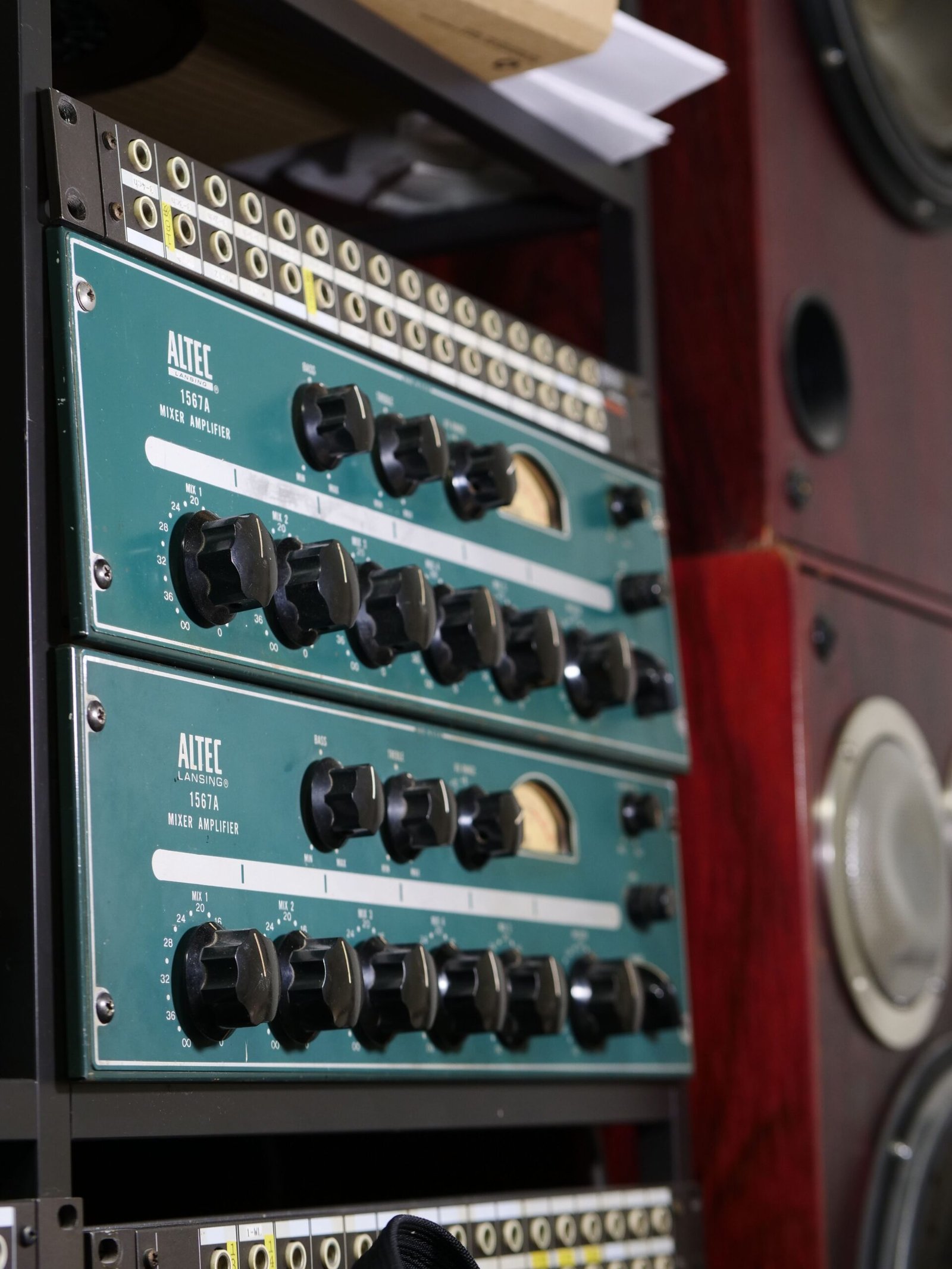
Published

on

gearslutz

The Legacy, Culture, and Enduring Influence of the World’s Premier Audio Forum

For nearly two decades, one name stood as the undisputed epicenter of the professional audio world’s online community: Gearslutz. The moniker was provocative, but its reputation was unparalleled. As the premier destination for audio engineers, music producers, and equipment enthusiasts, the forum became an essential pillar of the industry. However, in March 2021, a significant and deeply considered rebranding to Gearspace signaled the beginning of a new era, one focused on inclusivity and professionalism while preserving the vast and invaluable knowledge base that made the original site an institution . To understand the current state of the pro audio industry, one must understand the history, culture, and incredible influence of the community that began as Gearslutz.

The Genesis of Gearslutz: A Community Born from Passion

The story of what is now Gearspace begins in 2002. Founded by musician and audio engineer Julian Standen and his partner, Meg Lee Chin, the site was created as a digital watering hole for like-minded individuals obsessed with the tools of the music production trade . The name “Gearslutz” was a playful, self-deprecating pun on the lack of control many audio enthusiasts felt when it came to acquiring new equipment. It was intrinsically linked to another well-known term in the community: G.A.S., or Gear Acquisition Syndrome. In this logic, a “Gearslut” was simply a person afflicted with G.A.S., always chasing the next microphone, compressor, or mixing console .

What began as a niche forum quickly exploded in popularity. It wasn’t just the volume of traffic that made it significant, but the quality of its members. 

More Than a Forum: The “Gearspace” Culture and Its Influence

To dismiss Gearslutz as merely a forum would be to fundamentally misunderstand its influence. It evolved into the definitive online resource for pro audio information, with over 1.6 million monthly visitors from 218 countries at its peak 

However, the community was more than just a database; The discourse often centered on the aesthetic and haptic qualities of the equipment—the “big knobs,” the “flashy lights,” and the feel of the chassis—sometimes entirely divorced from discussions of its actual sound or functionality . This created a powerful, if sometimes exclusionary, form of online sociability centered around the fetishization of material objects.

At its best, though, Gearslutz was an incredible learning environment. 

The Rebranding: Why Gearslutz Became Gearspace

Despite its immense success, the “Gearslutz” name was a point of contention from the very beginning. The word “slut” proved to be a significant barrier, creating an environment that was not always welcoming to people of all backgrounds. The turning point came in early 2021. A petition on Change.org, calling for the site to change its name, garnered nearly 5,000 signatures, reflecting a growing sentiment that the name was no longer fit for purpose . This, combined with a broader societal push for inclusivity and professionalism, prompted co-founder Jules Standen to take action. In March 2021, he announced that the site would be rebranded as Gearspace .

The Indelible Legacy of a Rebranded Giant

The legacy of the site is its profound impact on the professional audio and music production industry. It democratized knowledge that was once a closely guarded secret of top-tier studios. The forum became the “place” for settling age-old debates, discovering new techniques, and sharing opinions on the latest equipment. It created a global community that broke down geographical and social barriers, connecting a producer in a bedroom studio to a legend on a major label. The archive of information contained within its threads represents an unofficial, crowd-sourced encyclopedia of modern audio engineering.

While the name has changed to Gearspace, the spirit of what was born as Gearslutz continues. It remains the most important online resource for audio professionals and enthusiasts. 

Frequently Asked Questions (FAQ)

1. What is Gearslutz?

Gearslutz was the original name of a world-renowned online forum and community dedicated to audio engineering, music production, and professional audio equipment. Founded in 2002, it quickly became the largest and most influential resource of its kind, connecting professionals, hobbyists, and educators from over 200 countries .

2. Why did Gearslutz change its name to Gearspace?

The name change was officially announced in March 2021 to become Gearspace.  The rebrand aimed to welcome a more diverse user base and ensure the community’s long-term relevance .

3. What kind of information can I find on Gearspace?

Gearspace is a comprehensive resource covering nearly every aspect of audio production. 

4. What is “Gear Acquisition Syndrome” (G.A.S.)?

Gear Acquisition Syndrome is a humorous term widely used within the audio community to describe the compulsive urge to buy new equipment. 5. Is the forum for beginners or only professionals?

The forum is for everyone. While it features contributions from top industry professionals, it is an incredibly valuable resource for beginners as well. You can find a wealth of information on fundamental concepts and techniques. However, it is often recommended that beginners use a “BS filter” to separate sound advice from personal opinions and misinformation .

Continue Reading

Trending